

Table of Contents
- What Makes Gym Clothes Durable? Fabric and Construction Basics
- How to Choose Durable Workout Clothes: A Buyer's Checklist
- Top Picks for Best Durable Gym Clothes in 2026
- Activewear Care and Maintenance Tips for Longevity
- Sustainable Athletic Apparel: Durability Meets Ethics
- Common Mistakes That Shorten the Life of Your Gym Clothes
- Conclusion: Invest in Gear That Lasts
- Frequently Asked Questions
Last Updated: September 17, 2026
What Makes Gym Clothes Durable? Fabric and Construction Basics
Durable gym clothes are garments engineered to survive repeated washing, high-tension movement, and daily friction without losing shape, color, or structural integrity. The difference between gear that lasts three months and gear that lasts three years comes down to two things: fiber composition and how the seams are built.
Most shoppers judge activewear by how it feels in the fitting room. That's the wrong test entirely. A buttery-soft fabric can pill after five washes, while a slightly firmer knit holds its structure for years.
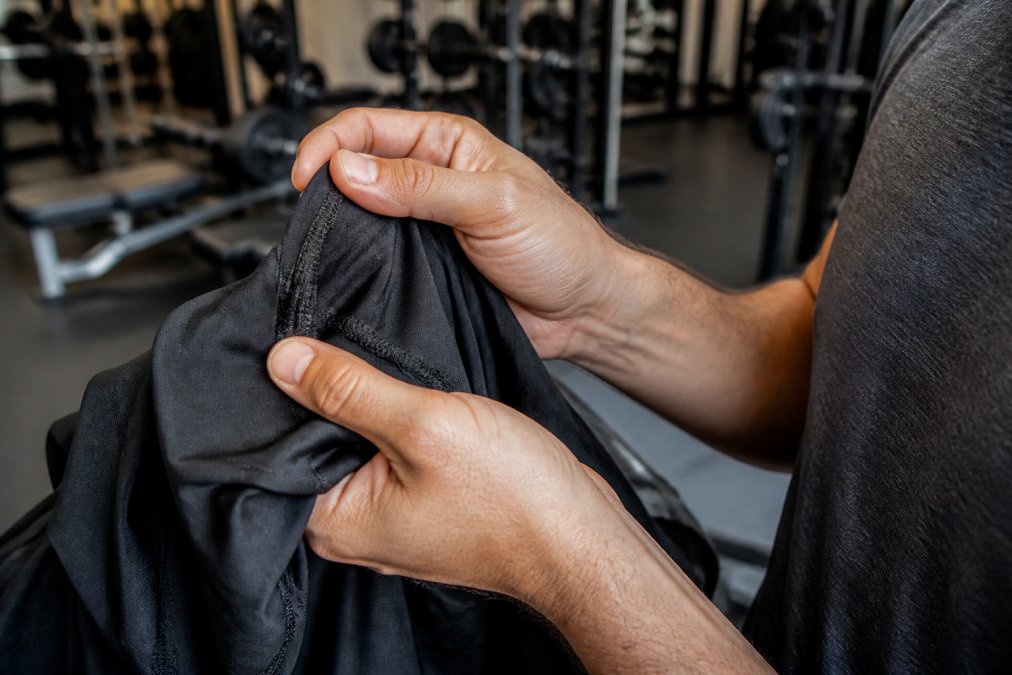
Fiber Showdown: Synthetic vs. Natural vs. Blends
Synthetic fibers dominate performance activewear for good reason. Polyester and nylon resist stretching, dry quickly, and hold up to abrasion better than cotton. The trade-off is odor retention, which is why anti-odor treatments matter.
Natural fibers like cotton feel comfortable but absorb sweat and lose shape faster under repeated load. Merino wool is the exception: it regulates temperature and resists odor naturally, though it costs more and requires gentler washing.
Blends attempt to combine the best of both. A polyester-spandex mix delivers four-way stretch with recovery, meaning the fabric snaps back instead of sagging at the knees or waistband.
Stitching, Seams, and Stress Points
Flatlock seams sit flush against the skin and reduce chafing, but they can also be a weak point if the thread quality is poor. Look for reinforced stitching at the crotch, underarm, and waistband, the three areas that fail first.
Seamless construction eliminates stitch lines entirely, which improves comfort and reduces failure points.
How to Choose Durable Workout Clothes: A Buyer's Checklist
Choosing durable workout clothes means evaluating construction, fit, and cost-per-wear rather than brand name or price tag alone. A $90 pair of shorts worn three times a week for two years costs less per session than a $30 pair replaced every season.
Here's a practical checklist to run before you buy:
- Fabric weight: heavier knits (around 200 gsm or more) resist pilling and thinning
- Stretch recovery: stretch the fabric and release, it should snap back immediately
- Seam type: flatlock or seamless over standard overlock stitching
- Reinforcement: double stitching at crotch, waistband, and underarm
- Care label: machine-washable without special handling
- Fit profile: athletic fit that moves with you, not against you
Match the Fabric to the Activity, Not the Aesthetic
Most buying guides sort activewear by sport and stop there. The more useful filter is fabric property: the same garment that survives a marathon can fail in a squat rack, and vice versa. Use this matrix to match construction to the demands of your training.
| Activity | Priority Fabric Properties | Construction to Look For | Common Failure Mode |
|---|---|---|---|
| Distance running | Lightweight knit, high moisture-wicking rate, quick-dry | Flatlock seams, DWR finish for variable weather | Chafing at seams, odor buildup |
| Heavy lifting | High abrasion resistance, moderate four-way stretch | Double-stitched crotch and waistband, gusseted panel | Blown seams under load, waistband roll |
| HIIT and CrossFit | Four-way stretch with strong recovery, moderate compression | Reinforced stress points, seamless gusset | Elasticity loss, pilling at friction zones |
| Yoga and low-impact | Maximum four-way stretch, breathability | Seamless construction, soft hand-feel | Sagging at knees, thinning from mat friction |
| Recovery and rest days | Thermal regulation, softness, light compression | Lightweight breathable knit, flat seams | Over-compression restricting circulation |
Fit Profile and Range of Motion
An ergonomic fit follows the body's natural movement patterns instead of restricting them. Squat in the dressing room. Raise your arms overhead. If the waistband rolls or the shoulders pull, the garment will fail faster under real training loads.
Price vs. Longevity: What Actually Pays Off
Higher prices don't guarantee durability, but rock-bottom pricing almost always signals thinner fabric and weaker stitching. The smart approach is cost-per-wear: divide the price by the number of times you'll realistically wear the item.
Top Picks for Best Durable Gym Clothes in 2026
The best durable gym clothes for 2026 balance fabric science, construction quality, and fit. Here's how the leading options compare across the categories that matter most.
| Category | What to Prioritize | Best For | Watch Out For |
|---|---|---|---|
| Training shorts | Abrasion-resistant fabric, double-stitched seams | Lifting, HIIT | Thin waistbands that roll |
| Base layers | Moisture-wicking, anti-odor finish | Running, cardio | Cotton blends that hold sweat |
| Recovery wear | Lightweight, breathable knits | Post-workout, rest days | Over-compression that restricts |
| Athleisure | Four-way stretch, colorfast dye | Everyday wear | Fashion-first fabrics that pill |
Burrow Athletic: Performance Gear with Purpose
Burrow Athletic’s current range focuses on original headwear, including the GOAT performance hat. Explore the Cincinnati football fan hats collection for current products, materials, and fit details. Burrow Athletic is rooted in character, resilience, and purpose. Every purchase supports The Be Good Foundation.
Other Standout Options for Specific Needs
For runners logging high weekly mileage, prioritize lightweight base layers with moisture-wicking and quick-dry properties. Look for flatlock seams and a durable water repellent finish if you train outdoors in variable weather.
Activewear Care and Maintenance Tips for Longevity
Activewear care and maintenance tips matter more than most people realize. The way you wash and dry your gear can add years to its life, or cut it short. The way you wash and dry your gear can add years to its life, or cut it short.
Why Heat and Chemicals Kill Performance Fabrics
Spandex and elastane give activewear its stretch recovery, and both degrade under heat. Hot water and high-heat drying accelerate that breakdown, which is why a garment that fit perfectly in month one sags at the knees and waistband by month six. Fabric softener works the same way on the other end: it leaves a waxy coating on synthetic fibers that blocks the capillary action moisture-wicking depends on.
A Wash Routine That Preserves Technical Fabrics
- Wash cold, always. Heat breaks down spandex and elastane fibers, which is what gives your gear its stretch recovery.
- Skip the fabric softener and dryer sheets. They coat synthetic fibers and block moisture-wicking performance.
- Turn garments inside out. This protects the outer surface from abrasion against zippers and other items in the drum.
- Use a mesh laundry bag for compression pieces. It limits stretch stress during the spin cycle.
- Air dry when possible. Tumble drying accelerates pilling and shrinkage, especially in natural-fiber blends.
- Wash less often. Athletic fabrics with anti-odor treatments can handle two or three wears before washing.
- Avoid chlorine bleach. It weakens elastic fibers and dulls colorfast dyes.
Odor, Elasticity, and the Two Failure Modes to Watch
Technical activewear fails in two distinct ways, and each has a different fix. Odor retention comes from bacteria that settle into synthetic fibers and survive normal washing; an occasional soak in a vinegar-and-water solution or a dedicated sport-wash detergent resets the fabric. Elasticity loss comes from fiber degradation and cannot be reversed, only prevented. If a garment has already lost its snap-back, no wash routine will restore it.
Sustainable Athletic Apparel: Durability Meets Ethics
Sustainable athletic apparel is clothing made with materials and processes that reduce environmental impact while extending the garment's usable life. Durability itself is a sustainability strategy: the longer you wear a piece, the less you consume over time.
Common Mistakes That Shorten the Life of Your Gym Clothes
Most premature activewear failures trace back to avoidable mistakes, not manufacturing defects. Here are the ones that cost the most.
Conclusion: Invest in Gear That Lasts
Building a training wardrobe that survives years of hard use takes more thought than most people give it. The payoff is real: less money spent replacing worn-out gear and more focus on the work that actually matters.
Frequently Asked Questions
What fabric is most durable for gym clothes?
Synthetic blends like polyester and nylon with spandex offer the best durability for gym clothes. They resist abrasion, hold their shape, and handle frequent washing. Look for four-way stretch and flatlock seams to prevent chafing. Natural fibers like cotton break down faster with sweat and friction. For high-intensity training, a polyester-spandex blend with moisture-wicking properties will outlast cotton by a wide margin.
How can you tell if gym clothes are high quality?
Check the fabric weight, stitch density, and seam construction. High-quality gym clothes have flatlock seams, reinforced stress points, and a dense knit that doesn't stretch out. Look for details like gusseted crotches, bar-tacked pockets, and YKK zippers. Also, feel the fabric: it should be soft but substantial, not thin or overly stretchy. Brands that publish fabric specs and care instructions are usually more reliable.
Do expensive gym clothes last longer?
Not always, but higher-priced gym clothes often use better materials and construction that extend lifespan. Higher-priced gym clothes often use better materials and construction that extend lifespan. However, price alone isn't a guarantee. Focus on fabric composition, seam quality, and brand reputation for durability. Some mid-range brands outperform premium ones. Read reviews and check return policies before buying.
How should I care for my performance gear to make it last longer?
Wash performance gear in cold water on a gentle cycle and skip the fabric softener, which clogs moisture-wicking fibers. Turn garments inside out to reduce pilling and abrasion. Air dry whenever possible; heat from dryers breaks down spandex and elastic. Use a mesh laundry bag for small items. Treat stains promptly with a mild detergent. Following these activewear care and maintenance tips can double the life of your gear.