

Table of Contents
- How Activewear Impacts Mental Health: The Science Behind the Connection
- Enclothed Cognition in Sports: How Gear Shapes Your Mindset
- Benefits of Exercise for Mental Health and How Activewear Amplifies Them
- How to Choose Workout Clothes for Confidence and Mental Wellbeing
- Common Mistakes When Selecting Activewear for Mental Health
- Creating a Sustainable Activewear Practice for Long-Term Mental Wellness
- Frequently Asked Questions
Last Updated: September 3, 2026
How Activewear Impacts Mental Health: The Science Behind the Connection
Clothing comfort, fit, and personal meaning may influence how someone feels during exercise. Individual responses vary, and activewear is not a treatment for a mental-health condition. This guide discusses those considerations alongside the broader benefits of movement.
Physical activity can support mental wellbeing. The CDC describes benefits for sleep and feelings of anxiety. This is evidence about movement, not proof that activewear amplifies brain chemistry or treats mental-health conditions.
Choose fabric weight, fit and support that feel comfortable for your activity. A simple clothing routine can be convenient, but it does not guarantee more frequent exercise or stronger mental-health outcomes.
Enclothed Cognition in Sports: How Gear Shapes Your Mindset
Enclothed cognition concerns possible effects of clothing’s symbolic meaning on thoughts and feelings. A 2025 meta-analysis found mixed evidence in early studies and stronger evidence in later work; it does not prove athletic garments increase resilience or improve mental health.
Dedicated workout clothes may serve as a personal cue that it is time to exercise. Choose what helps you feel ready without assuming improved form, focus or mental clarity.
Confidence can be part of an exercise routine. Comfortable clothing may help you feel prepared, but a garment cannot guarantee confidence, resilience or changes in other areas of life.
Burrow’s focus on character and resilience is a brand philosophy. It should not be read as evidence that a product improves mood, body image, or mental health.
Benefits of Exercise for Mental Health and How Activewear Amplifies Them
Exercise can reduce feelings of anxiety and improve sleep, as described by the CDC. Comfortable clothing helps with practical needs; it is not evidence of amplified stress reduction or a specific hormonal response.
Mental wellbeing builds through habit formation, the repeated, consistent practice of moving your body. Activewear that supports this consistency becomes essential. When you have gear that feels good, fits right, and aligns with your identity, you're more likely to show up consistently. That consistency transforms temporary mood boosts into genuine, lasting improvements in emotional health.
A manageable exercise routine can offer opportunities to practice persistence. Build activity gradually and choose clothes for comfort; neither routine nor apparel guarantees a particular emotional outcome.
How to Choose Workout Clothes for Confidence and Mental Wellbeing
Choosing activewear intentionally is a three-step process addressing sensory comfort, identity alignment, and body image support.
Step 1: Prioritize sensory comfort and ergonomic design
Sensory comfort is foundational to mental wellbeing during exercise. Fabric weight, breathability, seam placement, and how the garment sits on your shoulders, hips, and chest all matter. Ergonomic design means the garment supports the specific movements you'll perform.
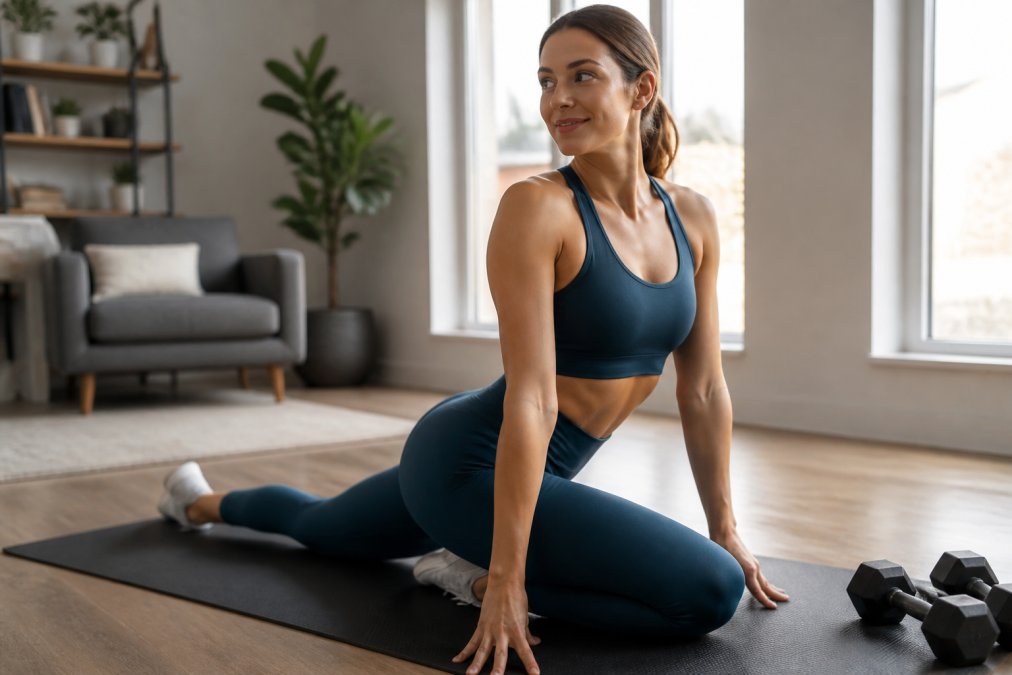
Ask yourself whether the fabric feels comfortable, whether you can move freely and whether seams or pressure cause irritation. These practical fit checks help you choose usable clothing without making claims about how your brain will respond.
Step 2: Select colors and styles that align with your identity
Choose colors and styles you enjoy. Personal preferences differ; no particular color guarantees energy, focus, better movement or mental-health benefits.
Consider style choices that make you feel like yourself. Some people thrive in minimalist gear; others feel confident in pieces with visual interest. The right answer is whatever makes you feel genuinely good when you put it on. Purpose-driven brands matter because when you choose activewear from a company whose values align with yours, the gear becomes an extension of who you are.
Step 3: Invest in quality that supports your body image goals
Well-designed, supportive gear that makes you feel strong and capable shifts your relationship with your body in a positive direction. Quality activewear built to last sends a psychological message: "I'm worth investing in. My movement practice matters." When you choose durable gear designed for performance rather than disposable alternatives, you're making a statement about the value you place on your wellbeing.
Common Mistakes When Selecting Activewear for Mental Health
Consider comfort and function alongside appearance when choosing workout clothes.
Ignoring fit and comfort over aesthetics
Try clothing during the movements you expect to perform. A comfortable garment is more useful than one that requires constant adjustment, regardless of how it photographs.
Underestimating the role of sustainable, values-aligned choices
If environmental or labor practices matter to you, look for specific evidence behind a brand’s claims. A purchase can reflect your priorities, but it does not remove anxiety or establish a mental-health benefit.
Burrow Athletic is rooted in character, resilience, and purpose. Every purchase supports The Be Good Foundation. Supporting a cause can reflect personal values; purchasing headwear does not guarantee a mental-health outcome.
Skipping the post-workout transition mindset
After exercising, take time to cool down as appropriate and change into dry clothing if needed. Remaining in activewear is not a proven way to preserve or deepen mental-health benefits.
Creating a Sustainable Activewear Practice for Long-Term Mental Wellness
Sustainable activewear practice is about building an intentional relationship with the gear you wear and the movement habits you develop.
Habit formation and positive reinforcement through gear investment
Keep workout clothing accessible if that makes your routine easier. This is a practical preparation step; buying activewear does not guarantee habit formation or psychological improvement.
Choose clothing you can comfortably use and afford. A higher price or a larger wardrobe does not establish better mental-health outcomes.
The role of community and purpose-driven brands in emotional health
A brand’s purpose may matter to your purchasing decision. Evaluate its commitments and choose according to your own values without assuming a purchase will improve stress management or life satisfaction.
Burrow emphasizes leadership, kindness, and positive change as brand values. Learn more about The Be Good Foundation for the charitable commitment, without treating those values as a tested wellbeing benefit of the products.
Clothing can support the practical side of exercise through fit and comfort. Evidence for exercise’s health benefits should not be presented as evidence that garments themselves improve mental health.
Choose clothing for comfort and fit, and seek appropriate support for mental-health concerns. Burrow Athletic’s current product range focuses on headwear, including GOAT. Burrow Athletic is rooted in character, resilience, and purpose. Every purchase supports The Be Good Foundation.
Frequently Asked Questions
How does enclothed cognition apply to fitness gear and activewear?
Enclothed cognition explores possible effects of clothing’s symbolic meaning on thoughts and feelings. Findings vary, and the research does not establish that high-quality activewear improves motivation, focus or mental health.
Can the clothes you wear during exercise actually change your mental health?
Comfortable activewear can meet practical needs during exercise. It should not be described as treatment for anxiety or depression, or as a proven way to improve emotional resilience.
What should I look for in activewear if I want to support my mental wellbeing?
Prioritize three factors: sensory comfort (breathable fabrics, ergonomic design, and proper fit that doesn't distract you), color and style alignment (choose colors that energize you and designs that reflect your identity), and quality that supports your body image goals. Gear that feels good against your skin, moves with you without restriction, and aligns with your values creates a positive feedback loop that strengthens both your confidence and your commitment to regular physical activity.
How does regular exercise improve mental health, and what role does activewear play?
Physical activity can support sleep and reduce feelings of anxiety. Choose clothing for comfort and suitability; the research cited here does not demonstrate that activewear amplifies those benefits.