

Table of Contents
- What Makes Gym Clothes Sustainable?
- Sustainable Fabric Certifications for Apparel: What to Look For
- How to Spot Non-Toxic Workout Clothes
- The Best Sustainable Activewear Brands and How to Judge Them
- Your Sustainable Gym Clothes Checklist
- Common Mistakes to Avoid When Buying Eco-Friendly Gear
- Make Your Gear Last: Care and End-of-Life Options
- Conclusion
- Frequently Asked Questions
Last Updated: September 7, 2026
What Makes Gym Clothes Sustainable?
Sustainable gym clothes are athletic apparel designed to minimize environmental harm through material choices, manufacturing processes, and product longevity. The category spans everything from organic cotton t-shirts to recycled polyester leggings, but the term often gets stretched thin by marketing departments. The real test comes down to three pillars: what the fabric is made from, how it was produced, and whether it will survive a year of hard training.
The most common materials are recycled polyester, made from plastic bottles, and organic cotton, grown without synthetic pesticides. Both reduce reliance on virgin fossil fuels, but they solve different problems: recycled polyester tackles plastic waste while organic cotton protects soil health and farmers. A third category, plant-based fibers like hemp and Tencel lyocell, offers a middle path with lower water footprints than conventional cotton.
Durability matters as much as the fiber itself. A garment that pills and tears after ten washes gets replaced, doubling its carbon footprint. Sustainable activewear is about buying fewer, better pieces that hold their shape through hundreds of sessions.
Sustainable Fabric Certifications for Apparel: What to Look For
Certifications cut through marketing noise by providing third-party verification of environmental and social claims. The Global Organic Textile Standard (GOTS) verifies organic fiber content and ethical manufacturing. Fair Trade certification ensures workers receive living wages and safe conditions. OEKO-TEX Standard 100 screens for harmful substances in finished products.
These labels matter because the textile industry has a documented history of unverified claims. Checking for at least one certification on a garment's tag is the fastest way to confirm independent backing.
When comparing options, know that recycled polyester certifications differ from organic ones. The Global Recycled Standard (GRS) tracks recycled content through the supply chain. For natural fibers, look for GOTS or the less strict Organic Content Standard (OCS).
How to Spot Non-Toxic Workout Clothes
OEKO-TEX STANDARD 100 tests certified textiles for harmful substances against its criteria. Certification does not mean a garment contains no chemicals, prevents all irritation or verifies fair labor practices. Check the exact certificate and scope.
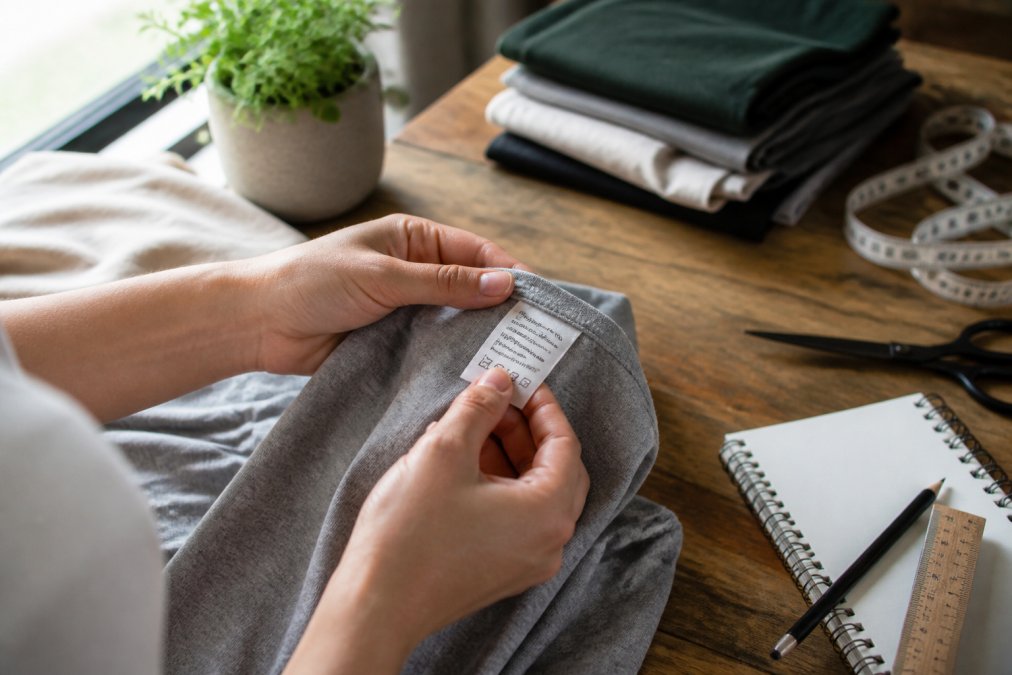
Beyond certifications, trust your senses. Many synthetic fabrics arrive coated in finishing chemicals that produce a strong "new clothes" smell, a red flag. Wash new activewear before wearing it to remove surface residues.
Chemical safety extends to dyes. Low-impact and fiber-reactive dyes bind more tightly to fabric, reducing the amount that washes out and onto your skin.
The Best Sustainable Activewear Brands and How to Judge Them
You do not need a memorized list of brands to shop sustainably, you need a framework for evaluating any company. Start by reading the fabric content on the product page. A sustainable garment should lead with recycled, organic, or plant-based fibers, not vague terms like "eco-friendly blend."
Next, investigate the supply chain. Brands that practice genuine transparency name their factories and production countries, publish sustainability reports with concrete goals, and discuss their carbon footprint and water usage.
A charitable mission and product sustainability are separate considerations. Evaluate material and manufacturing claims on their own evidence. Burrow Athletic is rooted in character, resilience, and purpose. Every purchase supports The Be Good Foundation.
The Performance Testing Gap: Natural Fibers vs. Synthetics
Most sustainability guides stop at fabric composition, but the real test is how a fiber behaves when you are drenched in sweat during a HIIT session or a long run:
Cotton (organic or conventional): Absorbs up to 25 times its weight in moisture, staying wet against your skin. It is best suited for yoga, stretching, or low-intensity recovery work.
Hemp: Dries faster than cotton and has natural antimicrobial properties. However, hemp fibers are stiff initially; a 100% hemp shirt requires several washes before reaching the flexibility needed for overhead presses or deep squats. Blends with 30-40% organic cotton or Tencel solve this.
Tencel lyocell: Made from eucalyptus pulp in a closed-loop process, Tencel is exceptionally soft and manages moisture better than cotton, wicking sweat and drying noticeably faster. The trade-off: Tencel lacks the four-way stretch of spandex-blended synthetics, so it is less ideal for movements requiring extreme range of motion.
Recycled polyester: The workhorse of performance activewear. It wicks moisture, dries quickly, and holds its shape through hundreds of wash cycles. The trade-off is microplastic shedding during washing and a tendency to retain odors if not washed promptly.
A Practical Performance Test for Natural-Fiber Gear
Before committing to a natural-fiber piece for high-intensity training, run this three-session test:
- Session 1: Wear the garment for a 45-minute steady-state cardio session (jogging, cycling, elliptical). Note how wet it feels at the end and how long it takes to dry.
- Session 2: Wear it for a strength training session with at least 15 minutes of mobility work. Assess whether the fabric restricts any range of motion.
- Session 3: Wear it for a 30-minute interval session where you sweat heavily. Smell the garment immediately after and again after air-drying for 24 hours.
If the garment passes all three, it is a legitimate performance piece. If it fails on moisture management, reserve it for lower-intensity days.
The table below summarizes the evaluation criteria that matter most:
| Evaluation Factor | What to Check | Why It Matters |
|---|---|---|
| Fabric content | Recycled, organic, or plant-based fibers listed first | Reduces virgin resource use |
| Moisture management | Fabric weight, weave density, moisture-wicking claims | Determines suitability for high-intensity vs. low-intensity workouts |
| Stretch and recovery | Spandex or elastane percentage (5-15% is typical for performance gear) | Natural fibers alone lack the elasticity needed for dynamic movement |
| Certifications | GOTS, Fair Trade, OEKO-TEX, GRS on the tag | Independent verification |
| Supply chain | Named factories, published supplier lists | Signals genuine transparency |
| Durability | Reinforced seams, fabric weight, care instructions | Longer life means lower footprint |
| End-of-life | Recycling program or take-back scheme | Keeps textile waste out of landfills |
Your Sustainable Gym Clothes Checklist
Use this checklist before you hit checkout on any new piece of activewear.
- Fabric is at least 70% recycled, organic, or plant-based
- At least one third-party certification is present
- The brand names its factories or countries of production
- The garment has reinforced stitching at high-stress points
- Care instructions allow for cold washing and air drying
- The brand offers a repair or take-back program
- You can envision wearing this piece for at least two years
If a product fails more than two of these checks, keep looking. The goal is not perfection. It is progress toward a wardrobe you feel good about in every sense.
Common Mistakes to Avoid When Buying Eco-Friendly Gear
The biggest mistake is equating "natural" with "sustainable." Conventional cotton is natural but requires massive water and pesticide inputs. Wool is renewable but has significant land-use impacts. Judge each garment on its specific merits.
Another frequent error is ignoring care requirements. Many sustainable fabrics, particularly wool and Tencel, need gentler washing than polyester. Cold washing and line drying extend the life of most activewear and cut energy use.
Greenwashing is the third trap. Terms like "eco" and "green" have no legal definition in apparel marketing. The Federal Trade Commission Green Guides exist to prevent deceptive environmental claims, but enforcement is reactive. Your best defense is skepticism: if a brand makes a big sustainability claim, ask for the certification that backs it up.
Finally, do not ignore the impact of microplastics. Synthetic fabrics shed tiny plastic fibers during washing that end up in waterways. A study on microfiber pollution highlights how widespread this issue has become. Washing synthetic activewear in a mesh bag and using a microfiber filter on your machine reduces shedding, but choosing natural or cellulose-based fibers for lower-intensity workouts is the cleaner option.
Make Your Gear Last: Care and End-of-Life Options
Proper care doubles the usable life of your activewear, the single most effective sustainability strategy available to you. Wash on cold, skip the dryer, and avoid fabric softeners that coat performance fibers and destroy moisture-wicking ability.
The Microfiber Problem You Cannot Ignore
A 2016 University of Plymouth study published in Marine Pollution Bulletin estimated fiber release from 6 kg loads of different fabrics. Acrylic produced the highest estimate, about 729,000 fibers; that figure is not a universal result for polyester fleece or every wash. Release depends on fabric and washing conditions.
Three practical interventions reduce shedding at the source:
- Use a microfiber-catching laundry bag (like Guppyfriend or Cora Ball). These capture a significant portion of loose fibers before they reach the drain, costing between $15 and $35.
- Install a washing machine filter such as the Filtrol 160 or PlanetCare. These retrofit onto your machine's discharge hose and capture fibers before they enter the plumbing, costing $40-$150.
- Wash synthetics less frequently. Air out activewear between wears unless visibly soiled or heavily saturated with sweat. Each wash cycle mechanically abrades fibers, accelerating shedding and degradation.
What Actually Happens to Worn-Out Activewear
When a garment finally wears out, resist the urge to toss it in the trash. The Environmental Protection Agency estimates that over 11 million tons of textiles end up in US landfills annually. Synthetic activewear is particularly problematic because polyester can take hundreds of years to decompose.
Here is the landscape of end-of-life options, ranked by environmental impact:
1. Brand take-back programs (best option for performance gear): Several major athletic brands operate take-back programs that recycle old synthetic garments into new products. Patagonia's Worn Wear program accepts any Patagonia product for repair, resale, or recycling; Nike's Reuse-A-Shoe program grinds old shoes into material for sports surfaces. The key limitation: most programs only accept that brand's own products.
2. Textile-to-textile recyclers: Companies like Evrnu and Circ are developing chemical recycling processes that break down polyester and cotton blends into virgin-quality fibers, but these facilities are not yet widely available for consumer drop-off. Check your local waste management authority's website for curbside collection programs.
3. Retail drop-off bins: Many retailers, including H&M and Madewell, operate in-store textile collection bins that accept any brand. Wearable pieces go to secondhand markets; damaged items are downcycled into insulation, carpet padding, or wiping rags.
4. Downcycling (last resort before trash): Worn-out activewear can become cleaning rags, garden ties, or stuffing for pet beds. This extends usefulness by months or years but ultimately still ends in disposal.
What to Look For Before You Buy
End-of-life planning should happen before purchase, not after. When evaluating a new piece of activewear, ask three questions:
- Does the brand offer a repair program? Some companies, like Patagonia and REI, repair their own gear either free or for a nominal fee.
- Does the brand operate a take-back or recycling program for its products? Check the product page or sustainability report for specifics.
- Is the garment made from a single fiber type or a blend? Mono-material garments (100% polyester, 100% nylon) are easier to recycle than multi-fiber blends. A 90/10 polyester-spandex blend is harder to recycle than 100% polyester because the spandex must be separated.
The Ellen MacArthur Foundation's circular economy work frames the shift from a linear take-make-waste model to one where materials stay in use. Applying that thinking to your gym drawer means buying pieces designed for longevity, caring for them properly, and ensuring they have a next life when you are done.
Conclusion
Finding sustainable gym clothes that actually perform takes a few extra minutes of research, but the payoff is a drawer full of gear that aligns with your values and survives your toughest sessions. Focus on certified materials, transparent brands, and garments built to last. Every purchase is a vote for the kind of industry you want to support.
Burrow Athletic’s current product range focuses on headwear, including GOAT. Burrow Athletic is rooted in character, resilience, and purpose. Every purchase supports The Be Good Foundation.
Frequently Asked Questions
What is the best sustainable activewear brand?
There isn't a single best brand. The right choice depends on your budget, fit preferences, and performance needs. Instead of focusing on a name, evaluate each brand against key criteria. Look for third-party certifications like GOTS or OEKO-TEX, check for supply chain transparency, and assess the durability of their fabrics. A brand that scores high on these factors, and offers the performance features you need, is a strong contender.
Are recycled polyester gym clothes actually sustainable?
Recycled polyester is more sustainable than virgin polyester because it keeps plastic bottles out of landfills and uses less energy to produce. However, it still sheds microplastics when washed. The most sustainable approach is to buy high-quality recycled polyester items you will wear for years, wash them less frequently, and use a microfiber filter. It is a step forward, but not a perfect solution.
How can I tell if an activewear brand is truly ethical?
Look for concrete evidence beyond marketing claims. Check if they publish their factory list or a detailed supplier code of conduct. Look for third-party certifications like Fair Trade or B Corp that audit labor practices. Be wary of vague language like 'ethical' or 'conscious' without specific details. Ask the brand directly about their manufacturing partners and their policies on wages and working hours.
What materials should I look for in sustainable gym clothes?
For natural options, look for GOTS-certified organic cotton or hemp. For performance wear, recycled polyester or nylon is common. Newer plant-based options like Tencel Lyocell, made from wood pulp, offer breathability and moisture management. Avoid virgin synthetics like conventional polyester and nylon. Check the fabric composition on the label and research the specific materials to understand their environmental impact.