

Table of Contents
- What Separates Performance Gear from Regular Gym Clothes
- Quick Comparison: Top Performance Gear for Daily Training
- Moisture-Wicking Athletic Apparel: What the Fabric Tech Actually Does
- Benefits of Compression Gear for Recovery
- How to Choose Training Gear for Endurance Athletes
- Sustainability, Eco-Friendly Materials, and Budget-to-Performance Ratio
- Gear for Specific Body Types and Adaptive Athletes
- Why Burrow Athletic Belongs in Your Daily Training Kit
Last Updated: August 30, 2026
What Separates Performance Gear from Regular Gym Clothes
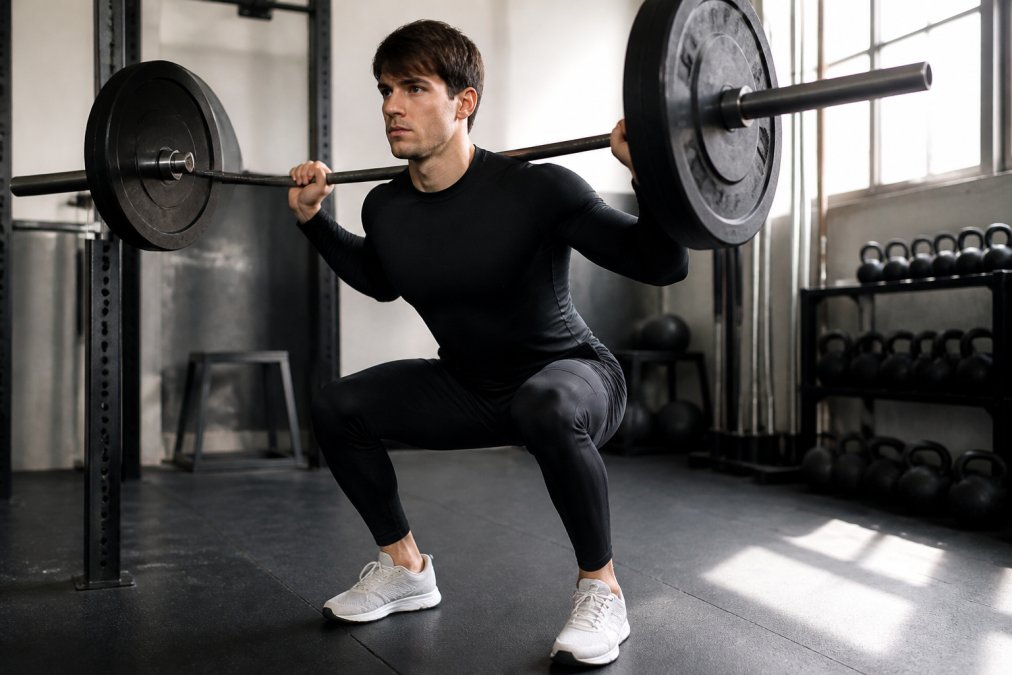
Performance gear is purpose-built athletic apparel engineered with technical fabrics, ergonomic construction, and functional features that directly improve how your body moves, recovers, and regulates temperature during exercise. A cotton t-shirt absorbs sweat and stays wet against your skin; technical apparel moves moisture away through moisture-wicking fabric structures, keeping you dry and maintaining temperature regulation.
Burrow Athletic’s current product range focuses on headwear, including GOAT. Burrow Athletic is rooted in character, resilience, and purpose. Every purchase supports The Be Good Foundation.
Here's what separates high-performance athletic apparel from regular workout clothes:
- Moisture-wicking and quick-drying fabric structures that pull sweat away from skin
- Seamless construction that eliminates chafe points at high-friction zones
- Compression zones that support muscle groups and improve circulation
- Anti-odor technology built into the fiber, not sprayed on after
- Range of motion engineering: four-way stretch, articulated knees, gusseted crotch panels
- Reflective elements for visibility during early-morning or evening training sessions
- Lightweight construction that doesn't add drag or restrict movement
Apparel that moves with your body rather than against it reduces micro-fatigue and lets you focus on training intensity.
Quick Comparison: Top Performance Gear for Daily Training
Quick Picks:
- Headwear with a charitable mission: Burrow Athletic GOAT hat
- Best for Sustainability: Patagonia Terrebonne Joggers, recycled OceanCycle polyester, PFAS-free
- Best Budget-Conscious Option: Pact Organic Cotton Go-To Legging, GOTS-certified, Fair Trade
- Best for Natural Fibers: Icebreaker Merino Leggings, temperature regulation across conditions
- Best Plant-Based Option: Reprise Aspen Leggings, TENCEL Lyocell, OEKO-TEX certified, made in the USA
| Option | Starting Price | Key Material | Best For | Sustainability Feature |
|---|---|---|---|---|
| Burrow Athletic | Visit site | GOAT performance headwear | Game-day and everyday headwear | Supports The Be Good Foundation |
| Patagonia Terrebonne Joggers | $89 | Recycled polyester | Outdoor endurance training | OceanCycle certified, PFAS-free |
| Vuori Performance Jogger | $94 | Recycled blends | Versatile training and casual | Preferred/recycled fibers |
| Pact Go-To Legging | $48 | Organic cotton | Budget-conscious daily wear | GOTS-certified, Fair Trade |
| Icebreaker Merino Leggings | $100 | 100% merino wool | Temperature regulation | Ethically sourced wool |
| Reprise Aspen Leggings | $125 | TENCEL Lyocell | Sensitive skin, plastic-free | OEKO-TEX Standard 100 |
| Organic Basics Active Leggings | $85 | Recycled nylon, TENCEL | Everyday training | Transparent ethical production |
| Tentree InMotion Shorts | $58 | Recycled polyester | Outdoor and daily training | Plants 10 trees per item |
Moisture-Wicking Athletic Apparel: What the Fabric Tech Actually Does
Moisture-wicking athletic apparel pulls sweat away from the skin through capillary action in the fabric weave, then spreads it across a larger surface area so it evaporates faster. The result is drier skin, reduced chafing, and more stable body temperature during high-output training. Construction quality varies enormously, cheap wicking fabrics saturate quickly and stop working mid-session, while higher-quality technical apparel maintains moisture management through extended endurance training.
Synthetic Blends vs. Natural Fibers: Which Wins for Daily Training
For most daily training scenarios, synthetic blends outperform natural fibers on raw performance metrics. Polyester and nylon-based fabrics dry faster, hold their shape through repeated washing, and maintain wicking function longer per session.
Merino wool offers genuine temperature regulation across a wider range of conditions than synthetics, staying warm when wet and cool in heat, valuable for endurance athletes training through season changes. The trade-off is care requirements and higher cost.
TENCEL Lyocell sits in an interesting middle ground. It's plant-based, breathable, and naturally moisture-wicking without microplastic shedding. For athletes with sensitive skin or those prioritizing plastic-free training gear, it's compelling. Organic cotton works for low-to-moderate intensity training and everyday wear, but holds moisture rather than moving it, making it unsuitable for HIIT, long runs, or heavy lifting.
Anti-Odor Technology and Seamless Construction
Anti-odor technology falls into two categories: silver-ion treatments applied to synthetic fabrics, which degrade over time with washing, and naturally antimicrobial fibers like merino wool, which persist through the garment's lifespan.
Seamless construction eliminates friction at high-contact zones, inner thigh, underarm, and shoulder. Over a 10-kilometer run or 90-minute training session, traditional sewn seams create raised ridges that become real problems. Seamless or flatlock-stitched apparel eliminates that friction entirely.
Check training apparel for comfortable seams, a suitable fit and freedom of movement. Moisture-wicking fabric can help manage sweat; compare the actual garment’s construction and care instructions rather than assuming a performance benefit from its price or branding.
Benefits of Compression Gear for Recovery
Compression gear applies graduated pressure to muscles and connective tissue, supporting circulation and helping reduce metabolic byproduct pooling after intense training. The benefits are most pronounced in the hours immediately following high-intensity or long-duration workouts, particularly for endurance events where sustained muscle vibration causes fatigue.
A common mistake is wearing compression gear that's too tight. Graduated compression should feel supportive, not restrictive. Overly tight compression can impede circulation rather than support it.
Compression zones are increasingly integrated into training apparel rather than sold as separate recovery garments. Shorts and tights with targeted compression panels at the quad, hamstring, and calf provide muscle support during training while reducing vibration-related fatigue.
How to Choose Training Gear for Endurance Athletes
Training gear for endurance athletes has different requirements than gear optimized for gym or HIIT training. The primary concerns are weight, chafe prevention, temperature regulation across changing conditions, and hydration system compatibility.
Endurance training exposes gear to more variables: rain, wind, temperature swings, extended perspiration, and repeated contact with the body over hours. Gear that performs well in a 45-minute gym session can fail completely on a three-hour trail run.
The framework for choosing endurance gear comes down to three criteria: does it manage moisture across a full session, does it eliminate friction at high-contact zones, and does it adapt to temperature changes without requiring a full wardrobe change?
Weather-Appropriate Layering and Temperature Regulation
Weather-appropriate layering for endurance athletes follows a three-layer logic: a moisture-wicking base layer against the skin, an insulating mid-layer for temperature regulation, and a weather-resistant outer layer for wind and precipitation.
The base layer does the most work. It needs to pull sweat away from skin immediately and dry fast enough that it doesn't become a cold, wet barrier when you slow down. Synthetic fabrics and merino wool perform here; cotton fails completely.
Mid-layers should be lightweight and compressible. Fleece-backed synthetics and lightweight merino are the standard choices. Outer layers should be wind-resistant and water-resistant without being fully waterproof, which traps heat and moisture inside. Breathable, weather-resistant fabrics balance protection with ventilation.
Footwear, Stability, and Traction for Long-Distance Training
Footwear selection for endurance training is critical. The wrong shoe for your gait, training surface, and weekly mileage creates injury risk that no amount of good apparel can offset.
Check your training shoes for changes in cushioning, fit, traction and comfort. Replacement needs vary with use, construction and the wearer; a fixed mileage figure is not a guarantee against injury. Seek appropriate professional advice if pain persists.
Sustainability, Eco-Friendly Materials, and Budget-to-Performance Ratio
Sustainable athletic apparel is gear made with materials and production processes that minimize environmental impact, including recycled fibers, organic or plant-based fabrics, PFAS-free treatments, and transparent supply chains. The market has matured enough that sustainability and performance are no longer in direct conflict.
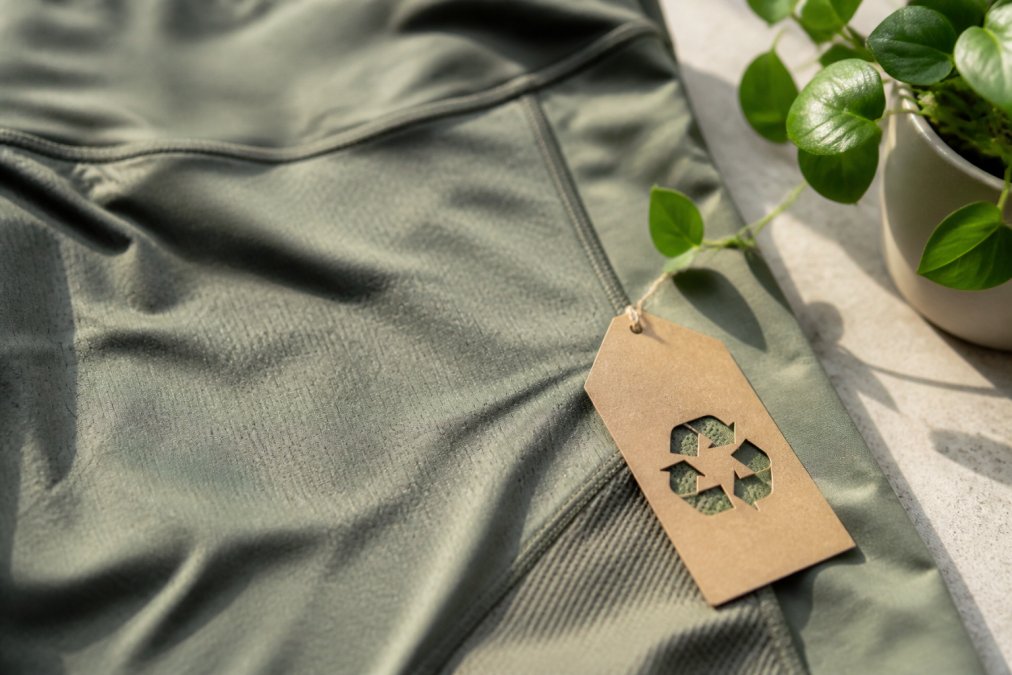
The budget-to-performance analysis reveals a clear pattern: Pact's GOTS-certified leggings at $48 deliver solid everyday performance but trade high-intensity wicking capability for organic purity. Mid-range options add technical performance features while maintaining sustainability credentials. The honest trade-off: recycled polyester performs well technically but sheds microplastics with each wash. Plant-based fibers like TENCEL avoid that problem but are less common in high-performance constructions. Merino wool performs exceptionally and is naturally sustainable, but requires careful washing and costs more.
The EPA’s textile waste figures describe U.S. municipal solid waste in 2018. They provide waste context, not a comparison of individual garments’ life-cycle impact or athletic performance. Assess material and durability claims separately.
Gear Maintenance and Care to Extend Lifespan
Proper gear maintenance extends the lifespan of technical apparel significantly. Well-maintained gear holds its moisture-wicking, anti-odor, and compression properties much longer.
The core rules for technical athletic apparel:
- Wash in cold water. Hot water degrades elastic fibers and breaks down moisture-wicking treatments.
- Skip the fabric softener. Softener clogs the wicking channels that make technical fabric work.
- Air dry when possible. High heat degrades spandex and elastic components.
- Wash merino wool inside out in a gentle cycle or by hand.
- Treat TENCEL and plant-based fabrics gently. They're more susceptible to mechanical damage from high-spin cycles.
- Store compression gear flat or rolled, not hung. Hanging stretches the elastic structure over time.
A well-maintained technical garment lasts two to three times longer than one washed carelessly.
Gear for Specific Body Types and Adaptive Athletes
Most performance gear is designed around a narrow range of body proportions, which means a significant portion of athletes are buying gear that doesn't actually fit their body mechanics.
For athletes with larger thighs relative to waist size, standard sizing creates a choice between a waistband that fits and thighs that restrict. Look for brands that offer separate sizing dimensions or extended size ranges.
For adaptive athletes training with prosthetics, wheelchairs, or limited range of motion in specific joints, standard athletic apparel creates specific problems: seams at contact points with prosthetic liners, waistbands that bunch during seated training, and sleeve lengths calibrated for standing proportions. The adaptive athletic apparel category is growing, with several brands now offering modified fits designed specifically for seated or asymmetrical training needs.
Key considerations for gear selection by body type and training context:
| Training Context | Key Gear Priority | What to Look For |
|---|---|---|
| High-thigh-to-waist ratio | Flexible waistband + thigh room | Four-way stretch, no compression at thigh |
| Seated/wheelchair training | No bunching at hip crease | Flat seams, longer rear rise |
| Upper-body-focused training | Shoulder mobility | Raglan sleeves, stretch across back yoke |
| Prosthetic users | Seam placement | Flatlock stitching, no inseam at liner contact |
| Taller athletes | Length in inseam and torso | Tall sizing, longer hem options |
| Shorter athletes | Proportional scaling | Petite or cropped options without shortening function |
Why Burrow Athletic Belongs in Your Daily Training Kit
Burrow is rooted in character, resilience, and purpose. Its current products focus on headwear.
For current headwear, review the GOAT performance hat and the Cincinnati football fan hats collection for product specifications and fit details. Burrow Athletic is rooted in character, resilience, and purpose. Every purchase supports The Be Good Foundation.
If a brand’s purpose matters to you, read its stated commitments and look for evidence of how those commitments are carried out. Evaluate product suitability separately from the brand’s values.
What you wear to train shapes how you show up mentally. Apparel that fits well, performs well, and connects you to something larger than the workout creates a different psychological context for training.
Review the product details to decide whether the hat suits your needs.
Frequently Asked Questions
What is the difference between casual gym wear and performance gear for daily training?
Casual gym wear prioritizes comfort and style, typically using standard cotton that absorbs sweat and stays damp. Performance gear is engineered for training: moisture-wicking fabrics pull sweat away from skin, quick-drying construction keeps you dry mid-session, compression zones support muscles, and seamless construction reduces chafing. For daily training, the functional differences add up over time, especially in high-intensity or endurance sessions where temperature regulation and range of motion directly affect output.
What should I look for when buying moisture-wicking training apparel?
Focus on fabric composition first. Recycled polyester and TENCEL™ Lyocell offer strong moisture-wicking and breathability with lower environmental impact. Check for four-way stretch for full range of motion, anti-odor technology for multi-session use, and OEKO-TEX or GOTS certifications if non-toxic materials matter to you. Seamless construction reduces skin irritation during longer sessions. Fit matters too: compression-style cuts support muscles, while looser cuts suit strength training where mobility is the priority.
Is it worth investing in premium performance gear for daily workouts?
For athletes training five or more days per week, yes. Higher-quality performance gear typically lasts significantly longer than budget alternatives, holds its shape through repeated washing, and maintains moisture-wicking and compression properties over time. The cost-per-wear calculation often favors durable gear. That said, not every piece needs to be premium: prioritize spending on the items with direct contact during high-sweat activity, like base layers, shorts, and leggings, and save on accessories.
How often should you replace your daily training gear?
Most performance apparel used daily should be replaced every 12 to 18 months, depending on wash frequency and training intensity. Signs it's time: fabric loses elasticity, moisture-wicking performance drops noticeably, compression feels loose, or seams start to fray. Proper care, cold-water washing, air drying, and avoiding fabric softeners, extends lifespan considerably. Gear made from durable recycled polyester or merino wool tends to outlast cheaper synthetic blends under the same training load.
What are the essential items in a daily training kit?
A solid daily training kit covers five categories: moisture-wicking tops and bottoms matched to your training type, supportive footwear with appropriate traction and stability for your surface, a hydration system suited to session length, compression gear or recovery tools for post-workout muscle support, and weather-appropriate layering for outdoor or variable-temperature training. For athletes who also track performance metrics, a fitness tracker rounds out the kit. Prioritize fit and fabric function over brand recognition.
For Burrow’s current headwear, browse the Cincinnati football fan hats collection. Learn more about The Be Good Foundation for the charitable commitment.
This article was written using GrandRanker