

Table of Contents
- What Makes Workout Clothes Resilient
- Performance Gear for Daily Training: Key Features
- Durable Athletic Apparel for Strength Training
- Sustainable Gym Wear Brands and Long-Term Value
- How Workout Clothes Support Mental Resilience
- Care and Maintenance for Longevity
- Adaptive Activewear for Injury Recovery
- Frequently Asked Questions
Last Updated: September 14, 2026
What Makes Workout Clothes Resilient
Workout clothes for resilience hold their shape, manage sweat, and support movement across hundreds of sessions without falling apart. The best workout clothes for resilience combine durable fabrics, smart seam construction, and fit that survives repeated washing.
This guide from Burrow Athletic breaks down what separates gear that lasts from gear that fades after a month: the features that matter, the materials worth paying for, and how apparel shapes your mental game.
Three things separate resilient gear from disposable athletic wear:
- Fabric integrity that resists pilling, stretching, and thinning over time
- Moisture-wicking performance that doesn't wash out after a dozen cycles
- Construction quality in seams, hems, and waistbands that keeps fit consistent
Performance Gear for Daily Training: Key Features
Performance gear for daily training must handle frequent washing, high sweat volume, and repeated stretching without losing shape, daily training stresses fabric more than occasional intense sessions.
The features that matter most are moisture management, breathability, and stretch recovery. A garment that wicks well on day one but pills by week six isn't resilient, it's just new.
Moisture-Wicking and Breathability
Moisture-wicking fabric moves sweat to the surface where it evaporates; breathability determines how quickly that moisture escapes the garment.
Look for nylon-spandex blends or polyester blends with visible ventilation zones. Mesh panels behind the knees, under the arms, and along the spine make a measurable difference during high-intensity interval training. A common mistake is choosing cotton blends for daily training; cotton holds sweat, gets heavy, and chafes during long sessions.
Compression and Range of Motion
Compression supports muscles and can reduce soreness after heavy sessions, but compression that restricts range of motion defeats its own purpose.
Four-way stretch is the standard for support without restriction. The best pieces offer graduated compression, tighter at the muscle belly, looser at joints, so you can squat, press, and rotate freely. Coming from loose cotton tees, expect the first week to feel restrictive. It passes.
Durable Athletic Apparel for Strength Training
Durable athletic apparel for strength training must survive friction against barbells, benches, and plates. Abrasion is the enemy, not sweat.
Two details separate gear that lasts years from gear that lasts months: fabric weight and seam quality. Both matter more for lifters than runners.
Fabric Weight and Abrasion Resistance
Heavier fabrics resist abrasion better but trap more heat. For strength training, mid-weight fabric (200-260 GSM) balances durability and breathability (Materials).
Abrasion resistance is less about the fabric itself than how the yarn is woven: tight, dense weaves resist pilling and snagging far better than loose knits, even with identical fiber content.
Seam Construction and Fit Integrity
Flatlock seams lie flat against the skin and resist pulling apart under tension. Overlocked seams are cheaper and fail faster at stress points like shoulders and crotches.
Check for reinforced stitching at shoulder seams, waistbands, and gussets. Fit integrity means the garment fits the same after fifty washes as on day one, shape retention is the clearest signal of quality construction.
Sustainable Gym Wear Brands and Long-Term Value
Sustainable gym wear brands design for longevity, not replacement cycles. The most sustainable garment is the one you don't replace every six months.
Long-term value depends on actual use and longevity. A brand’s mission alone does not establish how long a garment will last.
When evaluating sustainable gym wear brands, look for:
| What to Check | Why It Matters | Red Flag |
|---|---|---|
| Fabric composition | Determines wicking and durability | Vague "performance blend" labels |
| Seam type | Affects fit integrity over time | Single-stitched stress points |
| Care instructions | Impacts realistic lifespan | "Hand wash only" for gym gear |
| Mission transparency | Signals actual values | No named charitable partner |
How Workout Clothes Support Mental Resilience
Workout clothes support mental resilience by reducing friction between intention and action. When gear fits well and performs, you spend less energy managing discomfort and more on training, which matters most on the days you don't want to train.
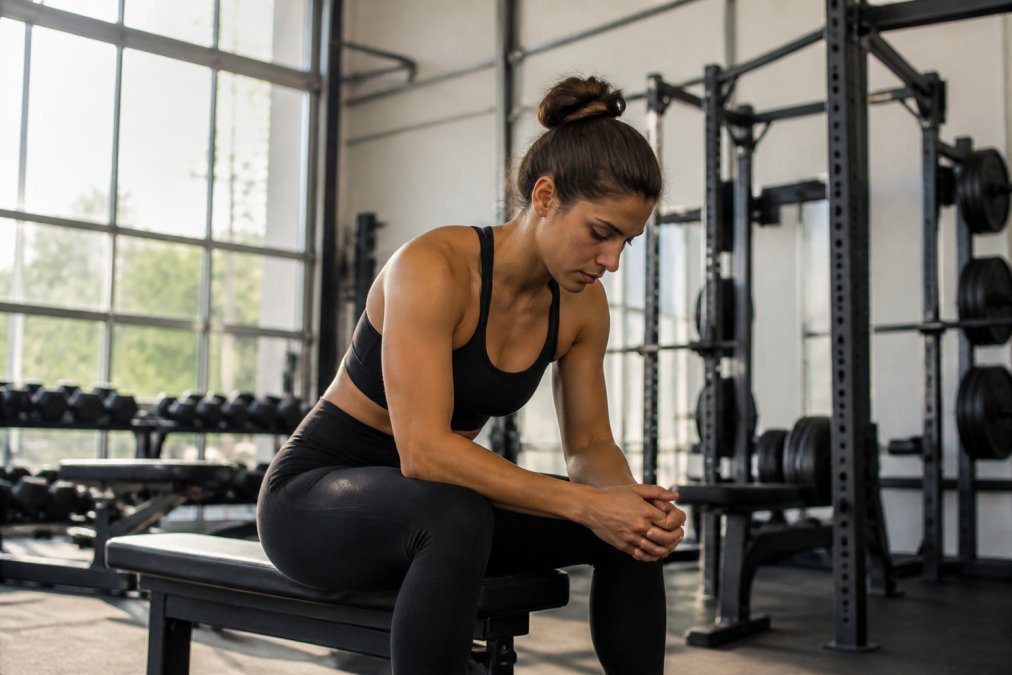
This is the part most gear guides skip. Apparel isn't just functional; it's psychological. The right gear signals to your brain that you're ready to train, and that signal matters most on the days you don't feel like showing up.
The Psychology of Performance Apparel
Enclothed cognition explores how clothing’s symbolic meaning can influence the wearer’s thoughts and feelings. A 2025 meta-analysis, first published online in 2023, found concerns about early studies’ replicability and stronger evidence in later studies. It does not establish that workout clothing improves athletic resilience or performance.
For athletes, the translation is simple: gear that feels intentional supports intentional training. Treating workout clothes as an afterthought, grabbing whatever's clean, is a common mistake. Consistent trainees tend to have gear that makes them feel capable before the first rep.
For an accessible discussion, see the APA podcast on the psychology of fashion. A podcast discussion is not itself a peer-reviewed study.
The Friction-Reduction Framework
Resilience in training is less about willpower on any given day than how many small obstacles you remove from the path to showing up. Apparel sits at the front of that chain. A single bad garment creates:
- Decision friction, digging through a drawer for the one clean, comfortable piece adds a micro-decision before training even starts
- Discomfort friction, a waistband that digs, a seam that chafes, or fabric that stays damp turns a 45-minute session into a negotiation
- Identity friction, gear that feels sloppy or borrowed undermines the self-image of someone who trains seriously
- Recovery friction, damp, heavy clothing after a session delays the cooldown routine that makes the next session possible
Each one is small. Stacked across a training week, they're the difference between a habit that holds and one that quietly erodes.
Building a Resilience Uniform
Consistent trainees often build a "resilience uniform", a small rotation of pieces that fit and perform the same way every time and require zero thought to select. The goal isn't variety; it's removing the gear variable so the only decision left is whether to train.
A practical way to build one:
- Pick two or three tops and two or three bottoms in the same fabric family so they wash, dry, and wear identically
- Standardize fit across pieces so you're not adjusting a waistband mid-session
- Keep a dedicated "ready" stack separate from the general laundry pile
- Replace pieces when shape retention fails, not when they look worn, fit drift is the signal that matters
Why This Matters More Than Fabric Specs
A moisture-wicking rating tells you how a garment handles sweat, not whether you'll put it on at 6 a.m. on a cold morning. Athletes who last years in the gym are rarely the ones with the most advanced kit, they're the ones whose kit never gives them a reason to skip. That's the resilience layer most buying guides ignore, and it compounds.
Care and Maintenance for Longevity
Care and maintenance determine whether quality gear lasts two years or five. Even the best fabric fails fast under bad washing habits.
Follow these rules to protect your investment:
- Wash in cold water on a gentle cycle
- Turn garments inside-out before washing
- Skip fabric softener, which clogs wicking fibers
- Air dry when possible, or use low heat
- Wash technical gear separately from towels and denim
- Treat stains promptly with cold water, not hot
Anti-microbial treatments and sweat management finishes degrade with heat and harsh detergents. Preserving them is mostly about avoiding both.
Adaptive Activewear for Injury Recovery
Adaptive activewear for injury recovery uses modified closures, adjustable compression, and seam placement that avoids sensitive areas. The category has grown as more athletes train through recovery rather than stopping, and it's where "resilience" stops being a fabric spec and becomes a description of the athlete.
Most gear guides treat injury as a pause. In practice, athletes who come back strongest keep moving in some form, and the clothing they wear during that window either supports the process or sabotages it.
What Adaptive Gear Actually Changes
Recovery-friendly gear prioritizes easy on-and-off, gentle compression that supports without restricting, and thermal regulation for post-session cool-downs. The design differences are specific:
- Zip closures at the ankle or wrist let you dress a limb that's braced, swollen, or range-limited without forcing it through a cuff
- Wider, flat waistbands distribute pressure away from healing tissue and surgical sites instead of concentrating it at the waistline
- Seam relocation moves stitching off the knee, shoulder, or hip so it doesn't sit directly on a scar or an inflamed joint
- Two-way stretch panels allow the garment to accommodate swelling that changes hour to hour, rather than fighting it
- Moisture management without compression matters for post-session cool-downs, when you want wicking but not pressure
A common mistake is sizing up in standard gear to avoid pressure. That trades one problem for another: loose fabric shifts, bunches, and creates new friction points exactly where you don't want them.
Matching Gear to the Recovery Stage
Recovery isn't one phase. The apparel that helps in week one is often wrong by week six.
- Acute phase (protected movement), prioritize access and low pressure. Zip closures, wide waistbands, and soft, non-abrasive fabric. The goal is to make movement possible without irritating the injury.
- Reintroduction phase (light loading), add graduated compression to support circulation and proprioception as you start loading the tissue again. Compression here is about feedback, not restriction.
- Return-to-training phase (progressive load), move toward standard performance gear, but keep seam placement in mind. If a seam sits on a previously injured area, it will announce itself during the first heavy session.
The Mental Side of Training Through Recovery
The mental side matters too. Training through recovery is hard on motivation, and the friction differs from ordinary training friction: you're not just deciding whether to train, but whether to train in a body that doesn't feel like yours yet, in a session that looks nothing like the one you want.
During injury recovery, choose clothing and activity that fit your individual needs and follow your treating professional’s guidance. Adaptive closures or careful seam placement may make dressing more comfortable; they do not establish faster recovery.
What to Look For When Buying
When evaluating adaptive pieces, check for:
- Closures you can operate one-handed or with limited grip
- Fabric that stays put without being tight, look for four-way stretch with a soft hand feel
- Seam placement you can verify by turning the garment inside out before buying
- Care instructions that survive frequent washing, since recovery gear gets worn more often than training gear
- A fit that accommodates a brace, wrap, or compression sleeve underneath without bunching
Adaptive activewear is still a small category, and most mainstream brands treat it as an afterthought. That's exactly why it's worth paying attention to, the pieces that get it right tend to be designed by people who've needed them.
Frequently Asked Questions
What features make workout clothes more durable for high-intensity training?
Look for nylon-spandex blends with four-way stretch, flatlock seam construction, and abrasion-resistant fabric weights. These features maintain fit integrity and shape retention through repeated high-intensity interval training. Moisture-wicking properties and anti-microbial treatments also extend garment life by reducing odor and fabric breakdown. Durable athletic apparel for strength training should feel substantial without restricting range of motion.
How does wearing performance-driven gear impact your workout mindset?
Performance gear for daily training can shift your mental state before you even start moving. When clothes fit well and feel supportive, you spend less energy adjusting them and more energy focusing on your workout. The psychological impact of apparel on resilience is real: feeling prepared and comfortable builds confidence, which supports consistency and training longevity over time.
Why is sustainable athletic apparel better for long-term performance?
Sustainable gym wear brands often prioritize higher-quality materials and ethical production, which translates to garments that hold up through more wash cycles and intense sessions. Better construction means fewer replacements, less waste, and more consistent fit. For athletes focused on resilience, investing in durable apparel reduces the mental friction of constantly replacing worn-out gear.
How do I choose workout clothes that support both strength and recovery?
For strength training, prioritize compression levels that support muscles without limiting movement, plus breathability for thermal regulation. For recovery days, look for softer fabrics with gentle compression and moisture-wicking properties. Versatile activewear that transitions between gym and daily wear lets you stay in recovery-friendly clothing longer. Check sizing guides carefully to ensure fit integrity across both use cases.
Burrow Athletic’s current product range focuses on headwear, including GOAT. Burrow Athletic is rooted in character, resilience, and purpose. Every purchase supports The Be Good Foundation.