

Table of Contents
- Why Buying Comfortable Training Apparel Online Beats In-Store Shopping
- The Best Fabric for Workout Clothes: Moisture-Wicking, Breathable, and Built to Last
- Fit Matters: Sizing and Flexibility for Every Body Type
- Women-Owned Activewear Brands: What to Look For
- Sustainable Athletic Apparel: Eco-Friendly Materials Without Compromise
- How to Care for Your Training Apparel So It Lasts
- Making the Switch: Why Burrow Athletic Fits Your Training and Values
- Frequently Asked Questions
Last Updated: September 24, 2026
Why Buying Comfortable Training Apparel Online Beats In-Store Shopping
Shopping for comfortable training apparel online has become the default for serious athletes, and the reason is simple: you can filter by fabric, fit, and function in minutes instead of driving between stores.
What you gain shopping online:
- Detailed fabric specs and composition breakdowns
- Verified customer reviews from people with your body type
- Easy price and feature comparison across multiple brands
- Access to smaller, mission-driven brands that no mall carries
The Best Fabric for Workout Clothes: Moisture-Wicking, Breathable, and Built to Last
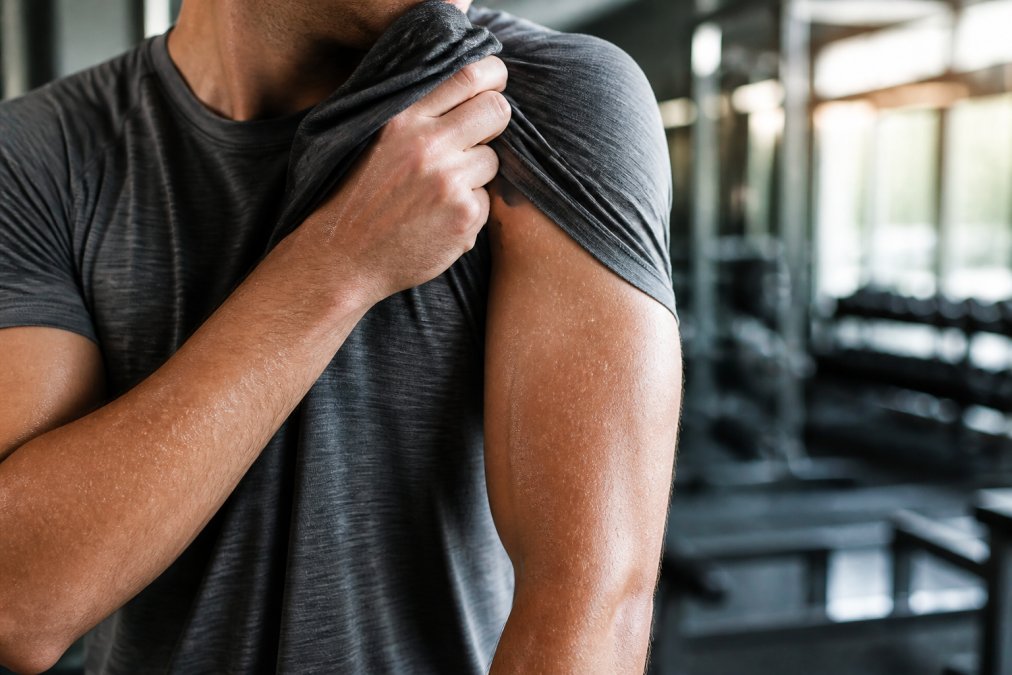
The best fabric for workout clothes is a moisture-wicking blend with four-way stretch, usually a polyester and spandex mix. It pulls sweat away from your skin, dries quickly, and moves with you instead of against you. Cotton, by contrast, holds sweat and gets heavy.
What to look for in performance fabric:
- Moisture-wicking fibers that move sweat to the surface where it evaporates
- Four-way stretch so the fabric flexes in every direction, not just sideways
- Breathable knit construction that lets air circulate during high-intensity training
- Anti-odor technology to keep gear fresh between washes
- Seamless construction at friction points to prevent chafing
Fit Matters: Sizing and Flexibility for Every Body Type
Fit is the difference between gear you forget you're wearing and gear you're constantly adjusting. The right athletic fit follows your body without restricting movement, and it should never require you to size up just to feel comfortable.
Measure yourself once, then never guess again
Use a soft tape measure over light clothing, keep the tape snug but not compressing, and write the numbers down. You need four:
- Chest or bust: measure around the fullest point, keeping the tape level under the arms.
- Natural waist: measure at the narrowest point of your torso, usually just above the navel.
- Hip: measure around the fullest point of your seat, feet together.
- Inseam: measure from the crotch seam of a pair of pants that fit you down to the hem, or have someone measure from your crotch to the floor in bare feet.
How fit needs change by training type
The same body needs different fits for different sessions. A common pattern:
- Strength training and lifting: prioritize four-way stretch and a cut that clears the shoulder and hip through a full range of motion. Rigid seams bind at the bottom of a squat or the top of a press.
- Running and cardio: look for a closer, non-restrictive fit that won't ride up or chafe. Loose fabric that flaps is a liability over distance.
- HIIT and cross-training: the hardest fit to get right, because you're moving in every plane. Four-way stretch matters more here than anywhere else.
- Recovery and loungewear: this is the one place to size down for a snugger feel or up for a relaxed one, comfort is the only performance metric.
A quick sizing guide by body type
- Tall frames: look for brands offering tall lengths; standard inseams often run short, and a too-short legging rides up mid-session.
- Athletic builds: check whether the cut is "compression" or "relaxed"; compression runs tight by design and is not the same as a size that's too small.
- Broader shoulders: prioritize four-way stretch over rigid sizing, which binds at the chest and restricts overhead movement.
- Curvier hips and thighs: check whether the brand drafts its patterns on a range of body types or simply scales up a straight-size block. Reviews mentioning "gapping at the waist" or "riding up" are the tell.
- Between sizes: size up for training gear, down for recovery wear.
Women-Owned Activewear Brands: What to Look For
Women-owned activewear brands now occupy a real share of the market, and many of them build gear around fit problems the bigger labels ignored for years. When you're evaluating one, look past the label and check the fundamentals.
Questions worth asking before you buy:
- Does the brand show its fabric composition and weight?
- Is there a size range that includes real body diversity?
- Are there reviews from customers doing the type of training you do?
- Does the brand explain where and how its gear is made?
Sustainable Athletic Apparel: Eco-Friendly Materials Without Compromise
Sustainable athletic apparel uses recycled fibers, lower-impact dyes, and manufacturing processes that reduce waste, and it can perform just as well as conventional gear. The catch is that "sustainable" is loosely defined, so you have to read the details. This is the section most buying guides skip, and it's where you can make a genuinely better decision.
The materials you'll actually see on a label
- Recycled polyester (rPET): made from post-consumer plastic bottles. It wicks moisture, stretches, and holds up to repeated washing much like virgin polyester. The difference is where the raw material comes from.
- Recycled nylon: often sourced from reclaimed fishing nets, carpet, and industrial scrap. It tends to be softer and more abrasion-resistant than polyester, which is why it shows up in leggings and shorts.
- Tencel lyocell and modal: wood-pulp fibers made in a closed-loop process that recovers most of the solvent. They're soft and breathable but less durable under heavy friction than synthetics, so they suit recovery and loungewear more than barbell work.
- Merino wool: naturally odor-resistant and temperature-regulating. It costs more and needs gentler washing, but it can go several wears between washes.
- Elastane (spandex): the stretch component in almost every performance blend. It's rarely recycled, which is the honest limitation of most "sustainable" activewear today.
Certifications worth recognizing
A certification is only useful if you know what it covers. A few that appear on activewear:
- Global Recycled Standard (GRS): verifies recycled content and tracks it through the supply chain.
- bluesign: screens chemicals and processes at the mill level.
- OEKO-TEX Standard 100: tests finished fabric for harmful substances.
- Fair Trade Certified: focuses on worker conditions and wages, not materials.
How to read a sustainability claim
What to check on a sustainability claim:
- Named materials, not vague phrases like "eco-friendly"
- Certifications from recognized third-party bodies, with the certifying body named
- Information about where the garment is made
- Whether the brand publishes any impact reporting
Be skeptical of greenwashing. A tag that says "made with sustainable materials" without specifics tells you almost nothing. Look for the actual fiber content and any certification logos on the product page.
The trade-offs nobody mentions
Recycled synthetics still shed microfibers in the wash, and elastane is the hardest component to recycle. A garment that blends recycled polyester with spandex is only partly circular. That doesn't make it worthless, it makes it a step, not a solution. If longevity is your priority, the care routine below matters more than the fiber origin, because the most sustainable garment is the one you keep wearing.
How to Care for Your Training Apparel So It Lasts
Washing your training gear correctly can double its usable life. The two biggest killers are heat and fabric softener, both of which break down the elastic fibers that give your gear its stretch.
A simple care routine:
- Wash in cold water on a gentle cycle
- Skip fabric softener entirely; it coats the fibers and blocks moisture-wicking
- Turn garments inside out to protect prints and seams
- Air dry when possible; if you use a dryer, choose low heat
- Wash technical apparel separately from towels and heavy cotton
Making the Switch: Why Burrow Athletic Fits Your Training and Values
Burrow Athletic’s current range focuses on original headwear, including the GOAT performance hat. Explore the Cincinnati football fan hats collection for current products, materials, and fit details. Burrow Athletic is rooted in character, resilience, and purpose. Every purchase supports The Be Good Foundation.
Burrow’s current focus:
- Original headwear with a focus on character and resilience
- Product-specific fit and construction details on the GOAT page
- Every purchase supports The Be Good Foundation
- A brand philosophy centered on purpose and community
Frequently Asked Questions
What features make training apparel truly comfortable?
Comfort in training apparel comes down to four things: moisture-wicking fabric that pulls sweat away from your skin, breathable materials that let air circulate, four-way stretch for unrestricted movement, and flatlock seams that prevent chafing. Look for lightweight, durable blends like polyester and spandex. Anti-odor technology also helps during high-intensity training. When you buy comfortable training apparel online, check product descriptions for these specific features rather than relying on general claims.
How do I ensure the right fit when shopping for athletic gear online?
Start by taking fresh measurements of your chest, waist, and hips. Compare them to the brand's specific size chart, not your usual size. Read reviews that mention fit, especially from people with similar body types. Look for brands that offer free returns or exchanges, which reduces the risk of ordering the wrong size. When in doubt, size up for strength training and true to size for cardio.
Are women-owned activewear brands more sustainable?
Not automatically, but many women-owned activewear brands prioritize sustainability because their values often align with ethical production and environmental responsibility. Look for certifications like Bluesign or OEKO-TEX, recycled materials, and transparent supply chain information. The key is to check each brand's specific practices rather than assuming. Sustainable athletic apparel should be judged on materials, manufacturing, and longevity, not ownership alone.
Why is moisture-wicking fabric essential for training?
Moisture-wicking fabric moves sweat away from your body to the surface where it evaporates quickly. This keeps you dry, regulates temperature, and reduces the risk of chafing and discomfort during high-intensity training. Cotton holds sweat and becomes heavy, which can lead to irritation and overheating. For strength training, cardio, or any sweaty session, moisture-wicking materials like polyester blends or merino wool help you stay comfortable and focused. When you buy comfortable training apparel online, prioritize sweat-wicking properties over style alone.
Check the current headwear product details for fit and construction. Burrow Athletic is rooted in character, resilience, and purpose. Every purchase supports The Be Good Foundation.