

Table of Contents
- How Clothing Quality Affects Workout Performance
- Thermoregulation and Body Temperature Control During Exercise
- Benefits of Moisture-Wicking Fabric for Athletic Training
- Impact of Compression Gear on Muscle Recovery and Performance
- Fit, Range of Motion, and Injury Prevention
- How to Choose Athletic Apparel for Training Success
- The Psychological Impact of Wearing Quality Gym Wear
- Durability and Long-Term Performance Investment
- Frequently Asked Questions
Last Updated: September 19, 2026
How Clothing Quality Affects Workout Performance
Does clothing quality affect workout performance? The answer is a straightforward yes. What you wear during exercise directly impacts how your body functions, how hard you can push, and how quickly you recover. This isn't about fashion or brand loyalty, it's about physics, physiology, and practical comfort.
When athletes switch from basic cotton to technical fabrics, they report better temperature control, less chafing, and improved focus during workouts, leading to more consistent training and stronger results.
Thermoregulation and Body Temperature Control During Exercise
During intense activity, efficient heat escape is critical. If heat can't dissipate, core temperature rises and fatigue accelerates.
Moisture-wicking materials pull sweat away from your skin to the fabric's surface for evaporation, maintaining your body's cooling system. Cotton absorbs and holds moisture, eliminating this advantage.
Athletes in moisture-wicking gear maintain stable core temperatures, enabling longer sustained effort, better mental focus, faster recovery between sets, and reduced heat stress.
Benefits of Moisture-Wicking Fabric for Athletic Training
Moisture-wicking fabrics use capillary action, tiny channels in the fiber structure, to pull sweat away from your skin.
When sweat stays on skin, friction causes chafing and distraction. Quality moisture-wicking fabrics eliminate this, keeping your focus on the workout.
Moisture-wicking fabrics help move sweat toward the outer surface and dry. Results depend on the fabric and garment; there is no universal drying-speed multiplier compared with cotton.
Impact of Compression Gear on Muscle Recovery and Performance
Compression gear stabilizes muscles and reduces vibration during exercise, decreasing fatigue accumulation. After exercise, it improves blood circulation to fatigued muscles, delivering oxygen and nutrients faster for better recovery.
Compression benefits include reduced muscle vibration, improved circulation, lower perceived exertion, and faster recovery. Proper fit is essential, tight enough to be effective but not so tight it restricts movement or circulation.
Fit, Range of Motion, and Injury Prevention
Poor fit creates restriction and distraction. Restrictive clothing limits range of motion and forces compensation patterns that stress joints. Constant adjustment and discomfort fracture focus, increasing injury risk during heavy lifts or explosive movements.
Quality apparel provides full range of motion, seams away from high-friction areas, and stable construction that doesn't shift. This supports your kinetic chain, enabling efficient movement and lower injury risk.
How to Choose Athletic Apparel for Training Success
Choosing the right athletic apparel requires matching fabric technology and fit to your specific training demands. Different sports and intensities create different performance requirements, and a one-size-fits-all approach leaves performance on the table.
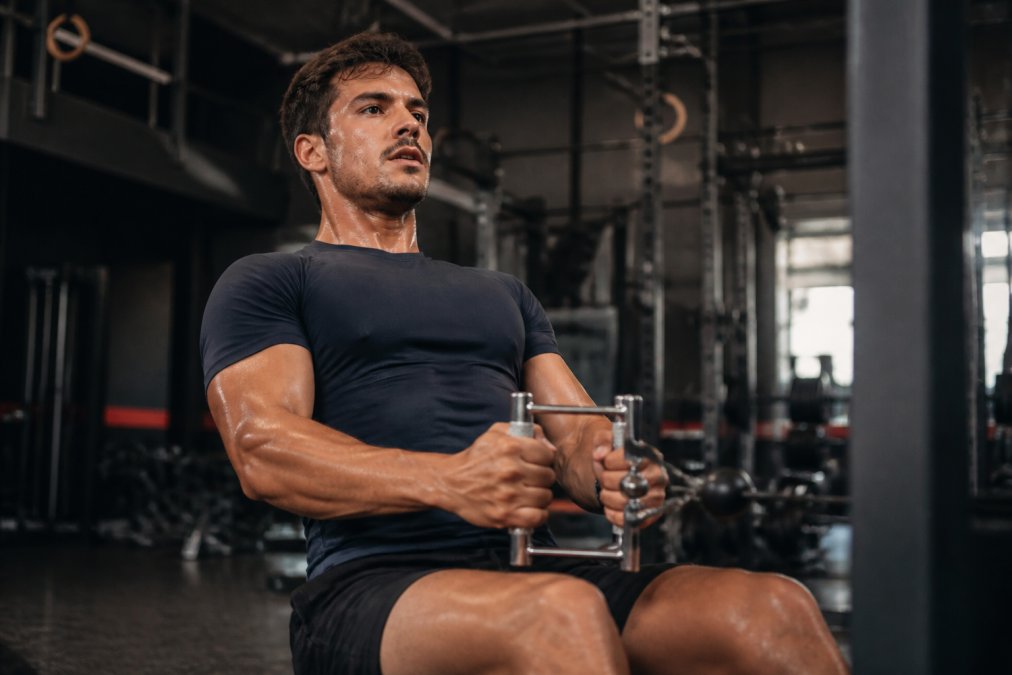
Sport-Specific Gear Requirements
HIIT and high-intensity cardio demand maximum moisture management and breathability. Look for fast moisture-wicking (capillary action moving sweat to the surface within seconds) and mesh panels in high-heat zones. Fit should be snug enough to prevent bouncing but loose enough for full shoulder and hip mobility.
Strength training prioritizes stability and range of motion. Seams should avoid high-friction areas during squats, deadlifts, and presses. Compression elements in the core and legs can reduce muscle vibration during heavy loads.
Endurance running requires moisture management and lightweight construction. Seam placement and fabric smoothness are critical to prevent chafing. Fitted gear that stays in place reduces friction points.
Team sports and functional fitness demand durability and multi-directional stretch. Fabrics need stretch in all directions, and construction must withstand repeated stress without seams separating or elastic degrading.
Budget Versus Performance: What Actually Matters
Entry-level technical fabrics offer faster moisture evaporation than cotton. Mid-range gear adds durability and refined fit. Premium pricing typically reflects brand positioning rather than measurable performance gains.
Where budget matters most is durability. Cheap elastic loses stretch. Quality elastic maintains responsiveness. Cheap seams fray or separate. Quality seams hold. Over regular training, quality gear can offer better value. The math favors mid-range quality over both budget and premium extremes.
Fit Testing and Construction Details
Fit is non-negotiable and cannot be assessed without movement. Before purchasing, perform these tests:
- Squat test: Full depth squat. Does the shirt ride up? Do shorts bind at the hip? Can you move freely?
- Overhead reach: Full arm extension overhead. Do sleeves restrict shoulder mobility? Does the shirt pull across your back?
- Lateral movement: Side lunges or lateral shuffles. Do seams sit in uncomfortable places? Does fabric shift?
- Bounce test: Light jumping. Does anything bounce, ride up, or shift out of place?
Examine seam placement carefully. High-friction areas, inner thighs, underarms, lower back, should have minimal seaming or flat-lock seams that don't create pressure points. Check that stretch direction matches your movement patterns. A shirt with only vertical stretch will restrict lateral movement; quality athletic wear has bi-directional or four-way stretch.
Fabric composition matters more than brand. Look for polyester-spandex blends (typically 88% polyester / 12% spandex) for strength training, or polyester-nylon blends for endurance work. These combinations balance moisture-wicking, durability, and stretch. Pure cotton or cotton-blend fabrics should be avoided entirely for any serious training.
The Consistency Factor
Consistency in gear performance directly supports training consistency. When your apparel performs reliably across dozens of workouts, you can isolate and track the variables that matter: intensity, volume, progression. When gear is degrading, elastic losing stretch, moisture-wicking diminishing, seams starting to fray, it becomes an unpredictable variable that undermines your ability to assess real progress.
Investing in quality gear that lasts creates a stable training environment. You can focus on your programming, form, and intensity rather than managing equipment failure. This stability compounds over time, supporting better training outcomes and faster adaptation.
The Psychological Impact of Wearing Quality Gym Wear
Clothing can affect comfort and personal readiness for training. These experiences vary; they do not establish measurable improvements in workout performance or nervous-system function.
Enclothed Cognition and Performance Confidence
Some people associate dedicated workout clothing with their training routine. That personal cue may feel useful, but clothing alone does not guarantee motivation or a particular mental state.
Fabric texture, seam placement and fit can feel different from one garment to another. Choose what feels comfortable while moving; comfort preferences are not evidence of improved motor-cortex function.
A suitable fit can reduce the need to adjust clothing during movement. Test the garment through your usual range of motion; an exact attention or effort improvement cannot be inferred from fit.
Third, wearing gear aligned with your identity and values strengthens commitment. If you identify as an athlete or someone serious about training, wearing quality athletic apparel reinforces that identity. This identity reinforcement increases effort and persistence during difficult sets or workouts. You're not just exercising; you're embodying a role that demands high performance.
Sensory Processing and Individual Differences
People differ in their preferences for fabric texture, pressure and fit. The cited sensory-processing research does not test workout garments or establish improved athletic performance, so try clothing on and assess your own comfort.
Neurodiverse athletes and those with sensory processing sensitivities often struggle with standard athletic wear. Tight elastic waistbands can create constant pressure that becomes distracting. Rough seams create irritation that builds throughout a workout. Fabric texture that feels "wrong" against the skin can trigger avoidance behaviors, making training uncomfortable enough to skip or cut short.
For these athletes, clothing quality becomes a performance necessity, not a luxury.
Confidence, Effort, and Training Outcomes
Confidence directly affects effort. When you feel capable in your gear, you push harder. Research on athletic performance shows that perceived capability (self-efficacy) is one of the strongest predictors of effort during training. Quality gear that fits well and performs reliably increases perceived capability.
This translates to measurable training differences:
- Effort during hard sets: Athletes in quality gear report higher perceived effort capacity and are more likely to push to true failure on final sets
- Workout completion: Discomfort-related dropout (quitting early due to gear issues) is virtually eliminated with quality apparel
- Consistency: When gear performs reliably, athletes are more likely to show up for scheduled workouts rather than postponing due to anticipated discomfort
- Progression: Better focus and effort during training supports faster adaptation and strength gains
Values Alignment and Purpose-Driven Training
Beyond the immediate psychological effects of wearing quality gear, alignment between your values and your equipment creates a deeper motivational layer. If sustainability, ethical production, or community impact matter to you, wearing apparel that reflects those values strengthens your sense of purpose.
Durability and Long-Term Performance Investment
Quality athletic apparel maintains its performance longer. This matters far more than most people realize.
Frequently Asked Questions
Does wearing high-quality workout gear actually improve physical performance?
Yes, clothing quality directly affects workout performance through multiple mechanisms. Quality athletic apparel improves thermoregulation, reduces chafing and distraction, and provides proper support for your kinetic chain. Technical fabrics enhance sweat management, keeping you cooler and more comfortable during intense physical exertion. When you're not distracted by discomfort or overheating, you can maintain focus on form and intensity, leading to better results.
How does moisture-wicking fabric impact thermoregulation during exercise?
Moisture-wicking fabrics pull sweat away from your skin to the fabric's outer surface, where it evaporates. This process maintains optimal body temperature regulation during training, preventing the buildup of excess heat that can reduce endurance and power output. Synthetic fibers and technical fabrics are engineered for this function, whereas cotton absorbs sweat and holds it against your skin, compromising thermoregulation and increasing fatigue.
Can the fit of your athletic apparel affect your range of motion and injury risk?
Absolutely. Proper fit directly impacts your range of motion and biomechanics. Apparel that's too tight restricts movement and increases injury risk by limiting your natural kinetic chain; gear that's too loose creates excess fabric that catches or shifts during movement, affecting proprioception and form. Quality athletic apparel is engineered to move with your body, supporting proper ergonomics and reducing friction that causes chafing or distraction during training.
What's the difference between performance-driven gear and fashion-focused activewear?
Performance-driven gear prioritizes function: moisture-wicking technology, compression support, breathability, and durability through repeated intense use. Fashion-focused activewear emphasizes appearance and may use materials that don't manage sweat effectively or provide adequate support. Performance apparel is built for the demands of serious training, with fabric construction and design that enhance athletic performance and muscle recovery, whereas fashion activewear may compromise these features for style.