

Table of Contents
- What Makes Athletic Wear Ethical in 2026
- Sustainable Performance Fabrics That Hold Up
- Fair Trade Athletic Clothing and Supply Chain Transparency
- Women Owned Activewear Brands Reshaping the Industry
- Size Inclusivity and Sport-Specific Requirements
- Care and Maintenance for Longevity
- The Circular Economy: Second-Hand and Waste Reduction
- Frequently Asked Questions
Last Updated: September 29, 2026
What Makes Athletic Wear Ethical in 2026
Ethical athletic wear is apparel produced with verified fair labor practices, transparent supply chains, and lower-impact materials, without sacrificing performance. This guide breaks down what separates genuine ethical athletic wear for athletes from marketing claims, and how to evaluate gear that holds up in training.
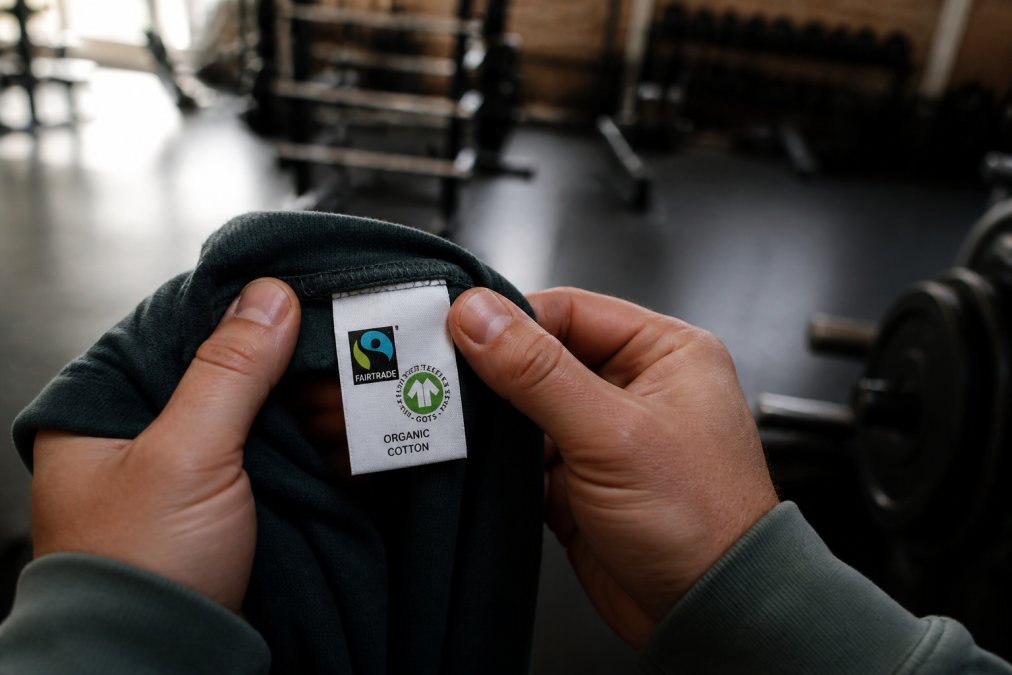
The stakes are higher than most shoppers realize. The global sportswear industry relies heavily on synthetic fibers, and a large share of those garments end up in landfills or shed microplastics with every wash. For athletes who train daily, that environmental cost compounds.
Fair Trade Certification and Ethical Labor
Fair trade certification is a third-party verification that a garment was made in factories meeting wage, safety, and worker-voice standards. It's the clearest proof that a brand's labor claims are real.
- Does the brand name its factories or suppliers?
- Is there a recognized fair trade or labor certification?
- Does the brand publish an annual impact or audit report?
How to Spot Greenwashing in Sportswear
Greenwashing in sportswear is when a brand makes vague environmental claims without verifiable proof. Terms like "eco-friendly" or "green" mean little without certification behind them.
Sustainable Performance Fabrics That Hold Up
Sustainable performance fabrics are materials that reduce environmental impact while still managing sweat, stretch, and durability. The best options balance renewable or recycled inputs with real function.
The main categories athletes should know:
- Organic cotton: Renewable, breathable, and soft, but slower to dry
- Recycled polyester: Made from plastic waste, moisture-wicking, and durable
- Tencel or lyocell: Plant-based, soft, and produced in a closed-loop process
- Merino wool: Naturally odor-resistant and temperature-regulating
Natural vs. Synthetic: What Works for High-Impact Training
For high-impact training, recycled synthetics usually win on moisture-wicking and durability. Natural fibers win on breathability and biodegradability. The honest answer is that most athletes need a mix.
Fair Trade Athletic Clothing and Supply Chain Transparency
Fair trade athletic clothing depends on supply chain transparency, meaning the brand can trace where and how each garment was made. Transparency is the foundation every other ethical claim rests on, because a labor certification is only as good as the brand's knowledge of who is doing the work.
| Tier | What happens here | What a transparent brand can name |
|---|---|---|
| Tier 1 | Final assembly (cut, sew, trim) | Factory name and location |
| Tier 2 | Fabric and textile mills | Mill name and location |
| Tier 3 | Yarn spinners and dye houses | Supplier name, often by region |
| Tier 4 | Raw material (fiber, farm, or recycler) | Farm, cooperative, or recycling source |
A Framework for Auditing a Brand Yourself
You do not need a supply chain degree to pressure-test a transparency claim. Work through these steps in order, and stop when the brand stops answering:
- Find the supplier list. Look for a dedicated page, not a sentence in a sustainability report. If it exists, check whether it names factories or only countries.
- Check the tier depth. Does the list cover only final assembly, or does it reach mills and raw materials? Tier depth is the single best proxy for how much a brand actually knows.
- Cross-reference the certification. A labor certification such as Fair Trade Certified or SA8000 applies to specific facilities. Confirm the certified facility appears on the brand's own supplier list.
- Look for an audit cadence. Annual impact or audit reports with dates signal an ongoing program. A one-time announcement signals marketing.
- Test the response. Ask customer service which factory made a specific style. A brand with real traceability can usually answer; a brand without it will send a generic reply.
Why This Matters for Athletes Specifically
Athletic wear is one of the harder categories to trace because performance fabrics often pass through more processing steps than a basic cotton tee. A single moisture-wicking top may involve a fiber producer, a spinner, a knitter, a dye house, and a finisher before it reaches final assembly. Each handoff is a place where a brand can lose track, and each lost handoff weakens every ethical claim printed on the hangtag.
Women Owned Activewear Brands Reshaping the Industry
Women owned activewear brands have pushed the broader industry toward better sizing, fairer labor, and more honest marketing. Their growth has forced larger players to respond.
Size Inclusivity and Sport-Specific Requirements
Size inclusivity means offering the same performance features across a full range of sizes, not just extending a basic tee. Sport-specific requirements add another layer.
| Sport | Key Fabric Need | What to Prioritize |
|---|---|---|
| Running | Moisture-wicking, lightweight | Sweat-wicking blends |
| Lifting | Compression, durability | Stretch synthetics |
| Yoga | Stretch, breathability | Plant-based soft fibers |
| Cycling | Thermal regulation, padding | Recycled blends |
Care and Maintenance for Longevity
Garment durability starts with how you wash. Most athletic wear breaks down in the laundry, not the gym.
- Wash in cold water to protect fibers and reduce energy use
- Skip fabric softener, which clogs moisture-wicking properties
- Air dry when possible to prevent elastic breakdown
- Turn garments inside out to reduce pilling and friction
The Circular Economy: Second-Hand and Waste Reduction
Circular fashion means keeping garments in use through resale, repair, and recycling rather than disposal. For athletes, this is where individual choices matter most, because athletic wear is one of the fastest-replaced categories in a closet. Training gear gets worn hard, washed often, and retired early, which shortens the useful life of a garment that may have taken significant resources to produce.
Second-Hand and Resale for Athletic Gear
Resale works differently for activewear than for fashion. The market rewards durability and recognizable quality, and it penalizes garments that pill, lose stretch, or hold odor. That means the same fabric properties that make gear perform well also make it hold resale value.
- Peer-to-peer resale platforms let athletes list and buy used gear directly. Condition matters more than brand here, so photograph seams, waistbands, and any pilling.
- Brand take-back and trade-in programs accept used items, often in exchange for store credit, then resell or recycle them. Availability varies widely by brand.
- Consignment and thrift can surface lightly used performance pieces, but inspect elastic and moisture-wicking finishes, which degrade with age even when a garment looks fine.
Repair and Care as Circularity
Repair is the most overlooked circular option for athletic wear. Small fixes extend life far more cheaply than replacement:
- Replace a stretched or broken elastic waistband instead of retiring the whole garment.
- Patch small holes in knit fabrics with a matching thread before they run.
- Re-stitch failing seams on compression gear, which often fail before the fabric does.
- Repurpose worn pieces as training or yard-work gear before recycling them.
What Actually Happens at End of Life
Recycling athletic wear is harder than recycling a glass bottle, and the fiber type determines the outcome:
- Single-fiber garments (100% cotton, 100% polyester) are the most recyclable, because they can be processed without separating blends.
- Blended fabrics (polyester and spandex, cotton and elastane) are difficult to recycle mechanically, because the fibers cannot be easily separated. This is the trade-off behind performance blends: they perform better but recycle worse.
- Textile-to-textile recycling is growing but still limited in capacity, so many collected garments are downcycled into insulation, wiping cloths, or padding rather than new apparel.
The EPA’s textile waste figures describe U.S. municipal solid waste in 2018. They provide waste context, not a comparison of individual garments’ life-cycle impact or athletic performance. Assess material and durability claims separately.
Frequently Asked Questions
What makes athletic wear considered ethical?
Ethical athletic wear combines fair labor practices, sustainable materials, and transparent supply chains. Look for fair trade certification, organic cotton or recycled polyester, and published factory lists. Brands that support social responsibility through verified charitable giving, like Burrow Athletic's work with The Be Good Foundation, add another layer of accountability. The key is verifying claims through third-party certifications rather than trusting marketing language alone.
How can I tell if an activewear brand is truly sustainable?
Check for third-party certifications such as Fair Trade Certified, Global Organic Textile Standard (GOTS), or bluesign. Look for published supply chain transparency reports and specific environmental impact data, like carbon footprint or waste reduction numbers. Brands that use vague terms like 'eco-friendly' without specifics are often greenwashing. Also examine garment durability claims, since longer-lasting clothing reduces overall environmental impact.
Are there performance-driven activewear brands that prioritize fair labor?
Yes. Several brands now combine high-performance fabrics with fair trade athletic clothing standards. These brands typically publish their factory lists, pay living wages, and use sustainable performance fabrics like recycled polyester and organic cotton blends. Burrow Athletic is one example, offering moisture-wicking, compression gear designed for serious training while supporting ethical manufacturing and community impact through The Be Good Foundation.
What materials should I look for in eco-friendly athletic gear?
Prioritize organic cotton, recycled polyester, Tencel lyocell, and renewable fibers like hemp. These materials reduce microplastic pollution and environmental impact compared to conventional synthetics. For high-impact support, look for recycled polyester blends with elastane for stretch. Avoid garments with non-toxic dyes or plastic-free claims unless verified. Also check for biodegradable materials in less durable items like socks or headbands.