

Table of Contents
- Why Your Workout Gear's Ethics Matter
- What to Look for in Ethical Manufacturing Standards in Apparel
- Key Materials for Non-Toxic Athletic Apparel
- How to Choose Ethical Workout Gear That Lasts
- Spotting Greenwashing in Sustainable Activewear Brands
- Your Ethical Workout Gear Care Checklist
- Conclusion: Build a Capsule Wardrobe That Aligns With Your Values
- Frequently Asked Questions
Last Updated: September 4, 2026
The global sportswear market is a multi-billion-dollar industry, yet the true cost of a $12 t-shirt is hidden in opaque supply chains and chemical-laden fabrics. For the mindful athlete, choosing ethical workout gear means verifying that your performance apparel supports both people and the planet.
At Burrow Athletic, we believe what you wear is a reflection of how you show up. This guide gives you a practical framework for vetting fabrics, certifications, and manufacturing claims, so you can spot greenwashing, understand performance metrics, and build a capsule wardrobe that aligns with your training goals and ethics.
Why Your Workout Gear's Ethics Matter
Your workout gear sits against your skin for hours each week, making material and manufacturing choices a personal health issue, not just an environmental one. Athletic apparel, often reliant on synthetic fibers, carries specific environmental and social burdens.
Ethical workout gear is apparel produced with verifiable standards for worker safety, fair wages, and minimal environmental impact. Choosing such gear reduces your carbon footprint and votes against exploitative labor practices. You cannot build a resilient body on a foundation of environmental degradation or social injustice.
What to Look for in Ethical Manufacturing Standards in Apparel
Evaluating ethical manufacturing standards requires looking past a brand's marketing page. Ask who stitched the garment, under what conditions, and what happens to dyeing wastewater. A serious brand will have transparent answers and third-party audits.
A common mistake is assuming a brand is ethical simply because it uses organic cotton. True ethical manufacturing encompasses the entire lifecycle, from fiber farm to finishing mill. Look for brands that openly discuss factory partnerships and sweatshop-free production.
Certifications That Verify the Claims
Certifications provide independent, third-party verification that a factory or product meets specific social and environmental criteria. Look for these key labels:
- GOTS certified: The Global Organic Textile Standard covers the entire processing of organic fibers, ensuring both ecological and social criteria are met from harvest to finished product.
- bluesign approved: This standard focuses on consumer safety by restricting the use of harmful chemicals in the manufacturing process, ensuring the final product is safe for you and the environment.
- OEKO-TEX STANDARD 100: Tests certified textiles for harmful substances against its criteria. It does not guarantee that a product causes no irritation or verify labor conditions, recycled content or reduced emissions.
- Fair Trade Certification: This label focuses on social standards, ensuring farmers and factory workers receive fair wages and work in safe conditions.
Key Materials for Non-Toxic Athletic Apparel
The fabric on your back determines both performance and toxin exposure. Many conventional performance fabrics are treated with chemical finishes that can be harsh on sensitive skin. Choosing non-toxic athletic apparel means prioritizing materials that are inherently functional without synthetic additives.
Natural and recycled fibers now rival conventional counterparts. Lyocell and modal, derived from wood pulp, are soft, breathable, and biodegradable. Merino wool offers temperature regulation and odor resistance without chemical treatments.
Recycled vs. Organic: Which Fabric Wins?
Both recycled polyester and organic cotton offer advantages over conventional materials, but they solve different problems. Recycled polyester tackles plastic waste but contributes to microplastic pollution when washed. Organic cotton is grown without harmful pesticides but uses significant water resources.
Neither is a perfect "winner"; the best choice depends on the garment's purpose. For high-intensity sessions, recycled polyester offers superior moisture-wicking and durability. For yoga or lifting, organic cotton provides breathability and comfort. Look for blends that use recycled synthetics and organic fibers while being mindful of the garment's end-of-life.
| Fabric | Key Strength | Main Drawback | Best Use Case |
|---|---|---|---|
| Organic Cotton | Soft, breathable, non-toxic | Retains moisture, high water use | Yoga, lifting, casual wear |
| Recycled Polyester | Durable, moisture-wicking | Sheds microplastics | High-intensity cardio, running |
| Lyocell/Tencel | Silky, biodegradable, breathable | Can be less durable if not blended | Everyday training, recovery wear |
| Merino Wool | Odor-resistant, temperature regulating | More expensive, delicate | Layering, hiking, travel |
How to Choose Ethical Workout Gear That Lasts
Choosing ethical workout gear is fundamentally an exercise in garment longevity. The most sustainable garment is the one you wear for years, not the one that ends up in a landfill. Durability directly reduces textile waste and the demand for new production.
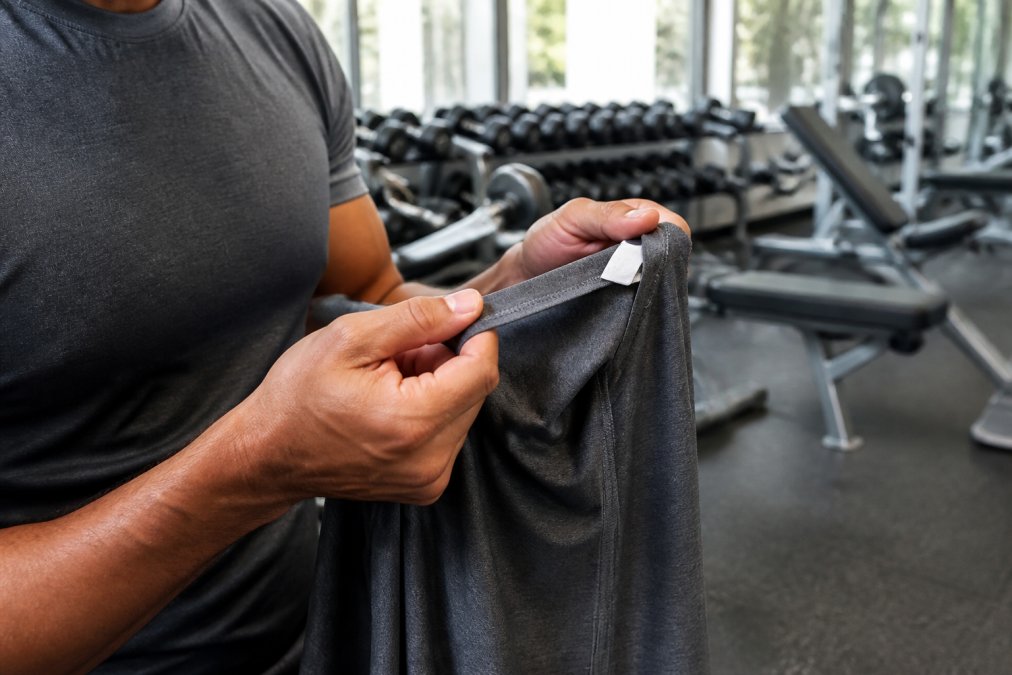
Inspect the construction: reinforced seams, high-quality zippers, and dense fabric weaves. A brand confident in durability will often offer a repair program or strong warranty. This shift from a disposable mindset is the core of a circular economy.
Performance Testing Metrics That Matter
Ethical claims do not excuse poor performance. If a garment fails during a workout, it will be discarded, negating its ethical benefits. Evaluate technical specs as rigorously as certifications.
- Moisture-wicking: Look for fabrics engineered to pull sweat away from the skin and dry quickly. Terms like "hydrophilic" and "hydrophobic" indicate how the fabric manages moisture.
- Breathability: Measured in CFM (cubic feet per minute), this indicates how much air passes through the fabric. Higher breathability is crucial for intense cardio to prevent overheating.
- Stretch and Recovery: This determines how well the fabric moves with you and returns to its original shape. Poor recovery leads to sagging and bagging, shortening the garment's useful life.
Spotting Greenwashing in Sustainable Activewear Brands
The demand for sustainable activewear has created a marketing minefield. Greenwashing is the practice of making misleading claims about a product's environmental benefits, often using earthy colors and leaf imagery without substance.
To verify claims, look for specificity. A brand that says "we care about the planet" is doing less than one that states "our factory in Portugal runs on 50% solar power." Check for third-party certifications and supply chain transparency, a brand that traces garments from raw material to finished product shows accountability greenwashers cannot fake.
Your Ethical Workout Gear Care Checklist
Buying ethical gear is only the first step. How you care for garments dramatically impacts their lifespan and environmental footprint. Most damage to performance apparel happens in the laundry room, not the gym.
To extend the life of your gear and minimize its impact, follow this simple care routine:
- Wash when needed: Follow care instructions and clean clothing as needed for hygiene. A fixed number of workouts between washes does not suit every wearer or garment.
- Check the care label: Choose washing temperatures and drying methods recommended for the garment rather than applying a universal rule.
- Consider microfiber reduction: A suitable washing bag or filter may reduce some releases. Check test evidence and maintenance instructions; it will not prevent all fibers from entering wastewater.
- Air Dry: Never put performance gear in the dryer. High heat destroys elastic fibers and accelerates breakdown. Hang items to dry away from direct sunlight.
- Consider repair: Repairing small tears or seams can extend use, but the result depends on the garment and damage.
The Microplastic Filtration Gap: A Unique Opportunity
A 2020 study found that the Guppyfriend bag reduced microfibers reaching wastewater by around 54% under the tested conditions, mainly by reducing shedding during washing. This is not a universal capture rate, and fibers can also be released during everyday wear (Napper, Barrett and Thompson, 2020).
Washing-machine filtration: Compare devices using independent test results and check compatibility, installation, maintenance and disposal instructions. Effectiveness varies by device and test conditions; no filter should be assumed to eliminate all microfiber releases.
Why This Matters: University of Plymouth research published in 2016 found that synthetic fabrics can release microfibers during washing. The amount varied by fabric and washing conditions; the study does not establish a fixed amount for every garment (University of Plymouth study summary). Filtration can reduce some releases, but does not eliminate all microfiber pollution.
The Science of Washing: Temperature and Detergent
Follow each garment’s care label when choosing the wash temperature. The University of Plymouth study compared fabrics washed at 30°C and 40°C with different detergents and conditioners; its summary does not support a blanket 30% reduction from using the lower temperature (study summary).
Choose detergent according to the garment’s care instructions. Formulations vary; do not assume that a named detergent is free of fragrance or additives without checking its current label.
Follow the care label on detergents and softeners. Some technical fabrics have special requirements. Avoid adding vinegar or other treatments unless the manufacturer recommends them.
The Repair Economy: Extending Garment Life
Repairing a seam or replacing a zipper can extend a useful garment’s life and delay replacement. The environmental benefit depends on the garment, repair and whether a new purchase is avoided; there is no single percentage that applies to every item.
Where to Repair:
- Brand repair programs: Check a brand’s current repair policy, eligible products and possible fees before sending a garment.
- Repair services: Ask a local repair provider about available services and request a quote; prices depend on the work required.
- Local tailors: A tailor may be able to repair seams, drawstrings or small holes. Ask about suitability and pricing for the actual garment.
DIY repair: A small seam repair may be practical at home. Check fabric compatibility before using patches, adhesives or heat, and consult a repair provider if unsure.
The Second-Hand Market for Activewear
Buying used is the ultimate form of circular economy, keeping garments out of landfills and avoiding new production costs. Platforms like ThredUp and Poshmark offer a wide selection of performance brands.
What to Look For When Buying Used:
- Check the Elastic: Stretch the waistband and leg openings. If they don't snap back, the elastane is degraded, and the garment will not perform.
- Inspect the Crotch Seam: This is the first place leggings fail. Look for signs of fraying or thinning fabric.
- Smell Test: While you cannot wash it before buying, a strong odor may indicate that the fabric has lost its anti-microbial properties.
Selling Your Gear: When parting with gear, list it on Poshmark, ThredUp, or the r/outdoorgear subreddit. Even $10 keeps a functional garment in circulation and reduces demand for new production.
A Care Routine for Maximum Longevity
Follow this routine to maximize the life of your ethical gear:
- After a Workout: Hang your gear to air out immediately. Do not ball it up in a gym bag. This prevents odor-causing bacteria from multiplying.
- Washing: Turn garments inside out before washing. This protects the outer surface from friction and reduces pilling.
- The Wash Cycle: Use a gentle cycle with cold water (below 60°F). Add your microplastic filter bag for synthetics.
- Drying: Air dry flat or on a hanger. Never use a dryer. If you must use a dryer, use the lowest heat setting and remove items while still slightly damp.
- Storage: Fold knit items to prevent stretching. Hang woven items on padded hangers.
Maintaining and repairing useful clothing can delay replacement. Compare actual repair costs and garment condition rather than assuming one option always has the lowest environmental impact.
Conclusion: Build a Capsule Wardrobe That Aligns With Your Values
Building an ethical wardrobe requires shifting focus from quantity to quality, from trends to timeless function. By focusing on durable materials, verifiable certifications, and proper garment care, you make a powerful statement about the world you want to live in.
Burrow Athletic is rooted in character, resilience, and purpose. Every purchase supports The Be Good Foundation.
Frequently Asked Questions
What certifications should I look for in ethical activewear?
Match the certification to the claim. OEKO-TEX STANDARD 100 tests textiles for harmful substances within its criteria; it does not verify labor practices or overall environmental impact. Other programs have different scopes. Check the exact certificate, product coverage and issuing body rather than treating a logo as proof of every ethical claim.
How can I tell if a workout brand is greenwashing?
Greenwashing is when a brand makes vague or unsubstantiated claims about its eco-friendliness. Watch for buzzwords like 'eco' or 'green' without specific details. A good brand will name its factories, list its certifications, and explain its materials in detail. Look for concrete evidence, such as a GOTS or bluesign certification. If a brand's sustainability page is mostly about one small initiative while the rest of its production is opaque, be cautious.
What materials are considered sustainable for athletic apparel?
Recycled polyester, made from plastic bottles, reduces waste and is a common choice for performance wear. Organic cotton, grown without harmful pesticides, is a more sustainable option for casual pieces. Lyocell and modal, made from wood pulp, are biodegradable and soft. Merino wool is a natural, renewable fiber that regulates temperature well. The most ethical choice is often a garment made from a single material, which is easier to recycle than a blend.
Why is ethical manufacturing important for performance gear?
Ethical manufacturing ensures that the people who make your gear are paid fair wages and work in safe conditions. It also often leads to higher-quality products because factories that invest in their workers and follow strict standards tend to have better quality control. On a broader level, supporting ethical manufacturing pushes the entire apparel industry toward more responsible practices, helping to reduce its overall carbon footprint and textile waste.
Start with versatile products whose materials and manufacturing claims you can verify. Burrow Athletic’s current product range focuses on headwear, including GOAT.