

Table of Contents
- What Defines Performance Apparel for Mindful Athletes
- How Clothing Design Influences Mental Focus and Body Awareness
- Sustainable Athletic Apparel: Why Materials Matter for Performance
- Performance Gear for Daily Training: What to Look For
- Mental Health, Resilience, and the Role of Athletic Wear
- How to Choose Performance Apparel for Mindful Athletes
- Frequently Asked Questions
Last Updated: September 15, 2026
What Defines Performance Apparel for Mindful Athletes
Performance apparel for mindful athletes is athletic clothing engineered to support both physical output and mental presence, using fabric, fit, and construction that keep you grounded in your body rather than distracted by it. This guide from Burrow Athletic breaks down what separates genuinely purposeful gear from standard activewear, and how to choose pieces that serve your training and your mindset.
The distinction matters more than most people assume. Standard activewear is built around moisture management and stretch. Purpose-driven gear adds a second layer of intent: seams placed to reduce irritation during long sessions, fabrics chosen for how they feel against skin under load, and cuts that let you move without constantly adjusting.
That second layer is where the mental game lives. When your clothing disappears from your awareness, your attention stays on breath, positioning, and effort.
Purpose-Driven Design vs. Standard Activewear
Purpose-driven design starts with the athlete's full experience, not just the workout. A standard pair of training shorts solves for sweat. A purpose-built pair also solves for chafing at mile eight, for the way a waistband digs in during deep squats, and for how the fabric behaves when you're holding a plank and trying to keep your breathing steady.
Burrow Athletic is rooted in character, resilience, and purpose. Every purchase supports The Be Good Foundation.
The practical test is simple. If you forget you're wearing it mid-session, the design is working.
The Mind-Body Connection in What You Wear
What you wear changes how you feel, and how you feel changes how you perform. A loose, twisting shirt pulls attention outward. A fitted, breathable layer keeps it inward.
Many athletes find that consistent training gear becomes part of their pre-session ritual. Putting on the same well-made pieces signals to your nervous system that it's time to work. That's not mysticism; it's routine and association doing their job.
How Clothing Design Influences Mental Focus and Body Awareness
Clothing design influences mental focus by controlling how much sensory noise reaches your brain during training. Every seam that rubs, every tag that scratches, and every waistband that shifts sends a signal your brain has to process. Purpose-built apparel reduces that noise so attention stays on the task.
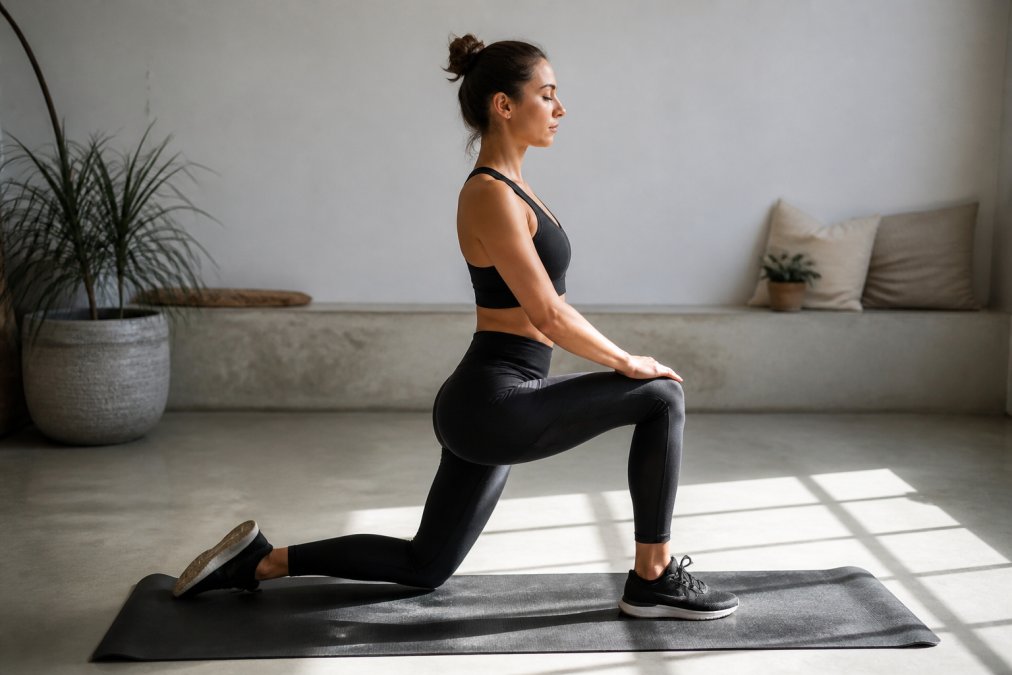
Proprioception and Sensory Grounding Through Fabric
Proprioception is your body's sense of where its parts are in space, and it's the foundation of coordinated movement. Fabric that fits closely without restricting gives your skin consistent feedback, which supports that sense.
Compression that's too aggressive dulls the signal. Fabric that's too loose removes it entirely. The useful middle ground is a close, four-way stretch fit that moves with you and stays put.
The Psychological Impact of Color and Fit
Color and fit both carry psychological weight. Fitted gear tends to make athletes feel more prepared and more serious about the session. Looser gear can feel more relaxed but also less intentional.
Color is personal, but the principle holds: choose tones that make you feel the way you want to train. If you want calm focus, muted and neutral palettes tend to support that. If you want energy, brighter tones can help.
Sustainable Athletic Apparel: Why Materials Matter for Performance
Sustainable athletic apparel performs as well as conventional gear when the materials are chosen correctly. Recycled polyester and responsibly sourced natural fibers now match the durability and moisture handling of virgin synthetics in most training applications.
The EPA’s textile-mill effluent guidelines concern wastewater discharges from manufacturing. They do not establish trends in athletes’ purchasing choices or the disposal impact of a particular garment.
Material Science and Sensory Processing
How a fabric feels against your skin determines whether you notice it at all. Brushed inner surfaces reduce friction. Flatlock seams sit flush instead of rubbing. Mesh panels placed under the arms and along the spine dump heat where your body produces it fastest.
A common mistake is choosing fabric by weight alone. A heavier knit isn't automatically more durable, and a lighter one isn't automatically cooler. What matters is the weave, the stretch recovery, and how the piece holds shape after repeated washing.
Performance Gear for Daily Training: What to Look For
Performance gear for daily training should handle repeated use, frequent washing, and a mix of session types without losing shape or comfort. That means prioritizing construction quality and fit consistency over seasonal colorways.
Start with these non-negotiables:
- Flatlock or bonded seams in high-friction zones
- Four-way stretch that recovers, not sags
- Moisture-wicking fabric rated for repeated wash cycles
- A waistband that stays flat through squats and hinges
- No scratchy tags at the neck or side seam
Functional Features That Support Movement Flexibility
Ergonomic design means the garment is cut for movement, not for a mannequin. Gusseted crotches, articulated knees, and raglan sleeves all exist for one reason: to let your joints travel through full range without the fabric fighting back.
Movement flexibility in apparel comes down to two things. The stretch of the material, and the geometry of the cut. You can have excellent fabric and still get restricted movement if the pattern is wrong.
Breathwork, Recovery, and Post-Workout Comfort
Choose cooldown clothing that suits the weather and your comfort, and change out of wet garments when appropriate. Physical-activity guidelines should not be treated as evidence that a particular garment improves recovery.
Breathwork is easier when nothing is binding your ribs. If you're doing box breathing or extended exhale work after a hard session, a fitted but unrestrictive top lets your diaphragm move fully. The same applies to gentle mobility work: you want fabric that follows you into a stretch instead of limiting it.
Mental Health, Resilience, and the Role of Athletic Wear
Athletic wear plays a supporting role in mental health by reinforcing routine, identity, and body awareness. It doesn't replace training, sleep, or professional support, but it can make the habits that protect your mental health easier to keep.
Resilience is built through repetition. Showing up on the days you don't feel like it is the whole game. A dedicated set of training clothes lowers the friction on those days: you put them on, and the decision to train is already half made.
Many athletes describe this as a uniform effect. The gear isn't magic. It's a cue. And cues are how discipline becomes automatic over time.
The Recovery Phase Competitors Skip
Most performance-apparel content stops at the last rep. That's a mistake for mindful athletes, because the cooldown is where the nervous system actually shifts from sympathetic (fight-or-flight) to parasympathetic (rest-and-digest) activity. What you wear during that window either supports the shift or fights it.
A common pattern among practitioners is to keep the same compression tights on for the cooldown and then wonder why box breathing feels shallow. Aggressive compression is useful during heavy loading, but it can keep sensory input high when you're trying to downshift. The practical fix is a two-piece approach: keep the supportive layer for the session, then swap into a looser, softer top or short for mobility work and breathwork.
A Concrete Cooldown Protocol
Why This Matters for Resilience
How to Choose Performance Apparel for Mindful Athletes
Sustainable Manufacturing as a Mindful Practice
A few concrete things to look for:
A Step-by-Step Checklist for Your Next Purchase
Work through this before you buy:
Matching Gear to Your Sensory Profile
Frequently Asked Questions
What defines performance apparel for mindful athletes?
Performance apparel for mindful athletes combines functional design with intentional materials. It supports movement flexibility, breathability, and body awareness during training. Unlike standard activewear, it considers how fabric, fit, and construction affect your mental game and physiological response. Look for ergonomic seams, moisture-wicking sustainable fabrics, and designs that reduce distraction so you can stay present through every rep and stride.
How does sustainable fabric impact athletic performance?
Sustainable fabrics like recycled polyester and organic cotton can match or exceed conventional materials in moisture management and durability. They also reduce skin irritation because they often skip harsh chemical finishes. For athletes focused on holistic training, wearing gear made with lower environmental impact supports a sense of purpose that reinforces discipline and gratitude, which are core to the mindful athlete mindset.
What features should I look for in performance gear for daily training?
Prioritize four-way stretch for movement flexibility, flatlock seams to prevent chafing, and breathable panels where you sweat most. Check for ergonomic design that follows your body's natural lines. If you train indoors and outdoors, choose fabrics with UV protection and quick-dry properties. Also consider whether the brand's values align with yours, since purpose-driven gear can strengthen your mental game and training rigor.
How can athletic wear actually support mental health?
What you wear affects proprioception, the awareness of your body in space. Well-fitted, sensory-friendly apparel reduces distractions, helping you maintain inner focus during high-intensity training. The ritual of putting on gear intentionally can also signal your brain that it's time to train, supporting mental rehearsal and breathwork. When that gear also supports a cause you believe in, it adds a layer of gratitude and resilience to your practice.
Burrow Athletic’s current product range focuses on headwear, including GOAT. For current headwear, review the GOAT performance hat and the Cincinnati football fan hats collection for product specifications and fit details.