

Table of Contents
- Why Athletes Are Looking Beyond Phocus Athletic
- What Makes a Phocus Athletic Alternative Worth Switching To
- Mission-Driven Athletic Gear: Does It Actually Perform?
- How to Choose Athletic Apparel for Recovery
- Athletic Mindset, Mental Focus, and What You Wear
- Injury Prevention and Durability: What to Demand from Your Gear
- Burrow Athletic: Built on Character, Resilience, and Purpose
- Frequently Asked Questions
Last Updated: September 1, 2026
When comparing athletic brands, start with the products currently available and the specifications relevant to your activity. A shared mission does not mean two brands offer equivalent technical clothing.
This guide cuts through the noise and examines what separates a worthy alternative from a marketing exercise, how to evaluate athletic apparel on technical merit, and what mission-driven design actually looks like when backed by genuine commitment.
Why Athletes Are Looking Beyond Phocus Athletic
The most common complaint among athletes switching brands isn't price, it's a mismatch between what a brand promises and what shows up in the gym, on the track, or during recovery. Performance apparel has reached a point where athletes expect technical fabric that holds up through repeated high-intensity sessions, ergonomic design that moves with the body, and a brand whose stated values connect to something real. When those elements don't align, athletes start looking elsewhere.
A Phocus Athletic alternative for athletes needs to clear a high bar. The rise of the mindful athlete, serious gym-goers and competitive sports participants who factor in recovery methods, sports psychology, and the ethics of their gear choices, represents a growing segment that brands are only beginning to understand.
What Makes a Phocus Athletic Alternative Worth Switching To
Switching athletic gear brands is a real commitment. You're betting on sizing consistency, durability under load, and technical performance across different training environments. A brand earns that switch by delivering on specifics, not slogans.
Technical Fabric and Material Science
Technical fabric refers to engineered textiles designed to respond to athletic movement: managing heat, handling moisture, resisting abrasion, and maintaining structural integrity under repeated stress.
Consider fit, stretch and sweat management for your activity. REI explains how wicking fabrics move moisture. These comfort features do not establish faster recovery or a guaranteed performance improvement.
A common mistake is assuming all polyester blends perform equally. Thread count, weave density, and hydrophobic treatment methods vary significantly between manufacturers. When evaluating a Phocus Athletic alternative for athletes, ask for specific fabric composition data, not just "technical fabric" as a marketing descriptor.
Durability is equally critical. High-performance activewear should maintain its structural properties through dozens of wash cycles. Fabric pilling, elastic degradation, and seam failure under load are the real tests. Athletes training five or six days a week will expose gear quality faster than any product description can hide it.
Price-to-Performance Ratio
Price-to-performance ratio is the honest metric most brand comparisons avoid. It asks: does this gear deliver measurable athletic benefit relative to what you're paying?
The activewear market spans an enormous price range. Entry-level options often sacrifice material quality and ergonomic design for accessibility. Premium tiers sometimes charge for brand identity rather than technical performance. The sweet spot for serious athletes tends to be gear that prioritizes function over fashion-forward styling.
Mission-driven athletic gear adds another dimension to this calculation. When a purchase supports a charitable foundation, you're not just buying apparel, you're contributing to something larger. That doesn't excuse poor performance, but it does mean a brand with genuine impact credentials and solid technical execution represents better overall value than a comparable product with no community dimension.
Mission-Driven Athletic Gear: Does It Actually Perform?
Skepticism about mission-driven athletic gear is reasonable. The fitness industry has a long history of brands attaching social messaging to products that don't back it up with technical substance.
The honest answer: mission and performance are not mutually exclusive, but they require equal investment. A brand that puts genuine resources into both charitable impact and product development produces gear that earns loyalty from athletes who care about both dimensions.
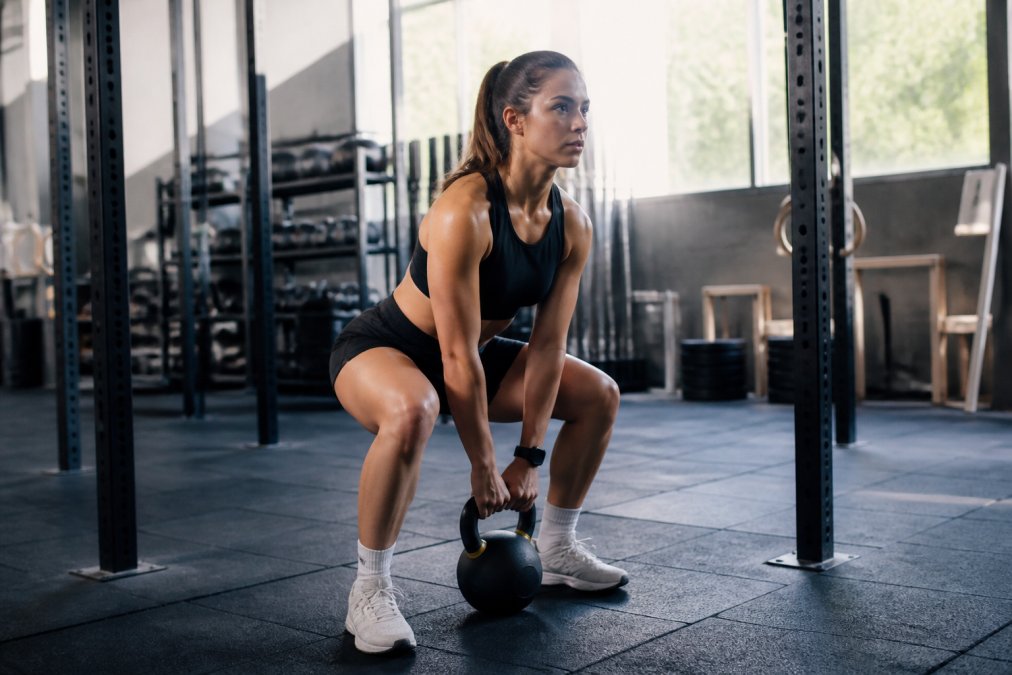
If purpose matters to your purchase, compare a brand’s stated values with evidence of its actions. Choose products for your own needs; a research directory alone does not establish why athletes buy particular brands.
How to Choose Athletic Apparel for Recovery
Choosing athletic apparel for recovery is a different decision than choosing training gear. Recovery-focused activewear prioritizes inflammation management, circulation support, and comfort during the body's repair phase.
Compression and Inflammation Management
Compression gear is activewear engineered to apply graduated pressure to muscle groups, supporting circulation and reducing the pooling of metabolic waste products that contribute to post-exercise soreness.
Compression garments vary in fit and pressure. Do not assume that any garment reduces soreness or speeds return to training. For medical compression or recovery after injury, follow advice specific to your needs rather than a general product claim.
Elastic degradation is the enemy here. Recovery tights or sleeves that lose compression after a few wash cycles provide diminishing returns. Evaluating seam construction and elastic composition before purchasing is worth the extra research time.
Moisture-Wicking and Ergonomic Design
Ergonomic design in athletic apparel refers to construction that mirrors the body's natural movement patterns, flatlock seams that reduce chafing, articulated knees and elbows that allow full range of motion, and waistbands that stay in place without restricting circulation.
Moisture-wicking in a recovery context matters more than most athletes realize. Extended wear after training means the body is still perspiring at a lower rate. Gear that traps that moisture against the skin creates conditions for skin irritation. Technical fabrics with active moisture transfer keep the skin environment stable during the recovery window.
| Recovery Apparel Feature | What to Look For | Why It Matters |
|---|---|---|
| Compression grade | Graduated pressure, consistent across wash cycles | Supports circulation and reduces post-exercise soreness |
| Moisture-wicking | Active transfer fabric, not just treated polyester | Prevents skin irritation during extended recovery wear |
| Ergonomic seams | Flatlock construction, articulated joints | Reduces chafing and allows full range of motion |
| Fabric durability | Maintains compression and shape after 50+ washes | Ensures consistent performance over time |
| Breathability | Open-weave panels or mesh zones | Regulates temperature during cool-down phases |
Athletic Mindset, Mental Focus, and What You Wear
The connection between athletic mindset and performance apparel is concrete. Sports psychology research has long examined how environmental cues, including clothing, affect mental focus, confidence, and effort output during training.
The concept is sometimes called "enclothed cognition": the idea that what you wear activates associated mental states. An athlete who puts on gear they associate with discipline, resilience, and high-performance training enters a different psychological state than one who throws on whatever's available.
What matters for the mindful athlete is that their gear reinforces the mental framework they're building. Purpose-driven training requires purpose-driven gear. A Phocus Athletic alternative for athletes that understands this dimension doesn't just sell activewear, it sells a clear identity: who you are when you train, what you stand for, and why that matters beyond the gym.
Injury Prevention and Durability: What to Demand from Your Gear
Injury prevention is where athletic apparel moves from nice-to-have to essential. Gear that fails during training creates distraction at best and biomechanical risk at worst.
The specific features that support injury prevention in activewear include:
- Impact protection zones: Reinforced panels at high-stress areas (knees, hips, shoulders) that absorb force during contact or impact sports
- Muscle stabilization through compression: Graduated compression that reduces excessive muscle oscillation during high-impact movement, which is associated with lower rates of strain injury
- Non-slip construction: Waistbands, cuffs, and hems that stay in position during dynamic movement, preventing micro-adjustments that break training focus and alter mechanics
- Thermal regulation: Fabrics that maintain consistent muscle temperature during warm-up and cool-down phases, reducing the risk of cold-muscle injuries
Durability and injury prevention are directly linked. Gear that maintains its technical properties over time continues to provide those protective benefits. The honest demand to make of any Phocus Athletic alternative for athletes is this: show me the construction specifications, not just the marketing copy.
Burrow Athletic: Built on Character, Resilience, and Purpose
Burrow Athletic’s current product range focuses on headwear, including GOAT. The brand is rooted in character, resilience, and purpose.
Burrow Athletic is rooted in character, resilience, and purpose. Every purchase supports The Be Good Foundation.
For current headwear, review the Cincinnati football fan hats collection. Compare each hat’s specifications with your needs.
Learn about Burrow’s story and charitable commitment.
Burrow Athletic’s current product range focuses on headwear, including GOAT. Burrow Athletic is rooted in character, resilience, and purpose. Every purchase supports The Be Good Foundation.
Frequently Asked Questions
Q: What should athletes look for in a mission-driven athletic gear brand?
A: Look for three things: transparent charitable giving with documented outcomes, technical apparel features that actually support training (moisture-wicking fabric, compression, ergonomic design), and a community built around shared values. Mission-driven athletic gear should perform on both fronts. A brand that talks about purpose but cuts corners on fabric quality or impact reporting is not delivering on either promise. Check whether the brand names its foundation partner and explains how purchases translate into contributions.
Q: How does apparel choice impact athletic mindset and mental focus?
A: Research in sports psychology consistently links wearing purpose-aligned gear to stronger pre-training confidence and mental focus. When your apparel reflects your values and fits your body correctly during high-intensity movement, it removes a layer of distraction. Athletes report feeling more prepared and disciplined when their gear matches their training identity. That effect compounds over time, reinforcing the athletic mindset that separates consistent performers from occasional exercisers. Functional design and personal values working together create a real psychological edge.
Q: How does Burrow Athletic compare to other performance brands?
A: Burrow’s current range focuses on headwear, so comparisons with full activewear brands should account for the different product categories. Review the GOAT performance hat for its specifications. Every purchase supports The Be Good Foundation.
Q: How do I choose athletic apparel that supports recovery?
A: Prioritize compression levels appropriate to your sport, moisture-wicking technical fabric that reduces skin irritation during long sessions, and ergonomic design that does not restrict range of motion. For recovery specifically, look for apparel with graduated compression to support circulation and inflammation management post-training. Fabric weight and breathability matter as much as compression rating. Avoid gear that bunches or loses shape after washing, since consistent fit directly affects how well the apparel supports your body during and after competitive sports activity.