

Table of Contents
- Why Vintage Football Shirts Still Win Hearts
- Vintage, Retro, Reproduction, or Counterfeit: Know the Difference
- How Retro Kits Shaped Football Culture and Fashion
- How to Style Retro Football Shirts for Everyday Outfits
- How to Wash Football Shirts With Printing Without Ruining Them
- Buying Vintage Football Shirts: Authenticity, Condition, and Value
- Build Your Game Day Look With Burrow Athletic
- Frequently Asked Questions
Last Updated: November 11, 2026
Why Vintage Football Shirts Still Win Hearts
Why wear vintage style football shirts? Because they carry memory, identity, and design quality that most modern kits can't match. This guide from Burrow Athletic breaks down the nostalgia, the styling, and the buying decisions behind the trend, so you can wear an old shirt with confidence instead of guesswork.
Walk into any stadium concourse or city street and you'll spot them: a faded sponsor logo, a collar cut from another decade, a name and number that hasn't played in years. These shirts keep coming back because they mean something.
The pull is emotional first and aesthetic second. A vintage football shirt is a wearable memory: the match you watched with your dad, the player whose name you wore on your back, the era when the game felt simpler.
Nostalgia for Legendary Matches and Players
Nostalgia is the engine behind most vintage purchases. Fans don't buy a 1990s shirt because the fabric is superior; they buy it because it puts them back in a specific moment. A classic design triggers memories of legendary matches, iconic players, and the seasons that shaped a supporter's identity.
That emotional weight is why old shirts hold sentimental value that current kits rarely earn. You can't manufacture a memory, and you can't reissue one either.
Club Identity and Fan Loyalty You Can Wear
Supporters wear vintage football shirts as a statement of club identity. An older kit signals that your fan loyalty predates the current bandwagon, and it starts conversations with strangers who recognize the badge.
Team colors and shirt design do the talking. A distinctive pattern or sponsor graphic from a past era reads instantly to anyone who knows the club's football history, which is why collectors and casual fans alike chase original shirts over modern replicas.
Vintage, Retro, Reproduction, or Counterfeit: Know the Difference
The terms get used interchangeably, but they describe very different products. Knowing which one you're buying protects your money and your expectations.
- Vintage: An original shirt manufactured and sold during the era it represents. Genuine old shirts, often decades old.
- Retro: A modern re-release of a classic design, made recently but styled after an older kit.
- Reproduction: A licensed or unlicensed remake of an iconic kit, sold as a copy rather than an original.
- Counterfeit: A fake sold as an original. No license, no authenticity, no resale value.
A retro shirt is not a vintage shirt, and a reproduction is not an original. Sellers blur these lines constantly. If a listing calls something "vintage style" without stating the manufacture date, ask directly before you buy.
How Retro Kits Shaped Football Culture and Fashion
Football shirts left the terraces years ago. Retro kits now sit comfortably in streetwear rotations, and that shift pulled classic designs into mainstream fashion. The mechanism is simple: a shirt that once signaled match-day allegiance became a neutral statement piece once non-fans started wearing it for the design alone.
The fashion cycle explains most of it. Styles from past decades return because they feel distinctive next to modern shirts, which tend toward templated designs and safe palettes.
Three forces pushed retro kits into everyday fashion:
- Streetwear borrowing. Designers and stylists pulled football shirts into lookbooks because the color blocking and sponsor typography already function as graphics. A retro shirt needs no added logo to look styled.
- The blokecore wave. The blokecore trend, football shirt, straight-leg jeans, retro trainers, made the shirt a normal casual top rather than a costume. It works because the outfit is built from ordinary wardrobe pieces.
- Manufacturer reissues. Kit makers noticed demand and began re-releasing classic designs, which kept older silhouettes visible in stores and normalized wearing them off the pitch.
Football culture and fashion feed each other. Supporters borrow from streetwear, designers borrow from iconic kits, and the result reads as both authentic and current.
Watch out: not every old-looking shirt is a genuine retro design. Some modern shirts imitate vintage details without being reissues, so check the manufacture date on the tag before you describe a shirt as retro.
How to Style Retro Football Shirts for Everyday Outfits
Styling a retro football shirt for everyday wear comes down to proportion and restraint. Treat it as the statement piece and keep everything around it simple.
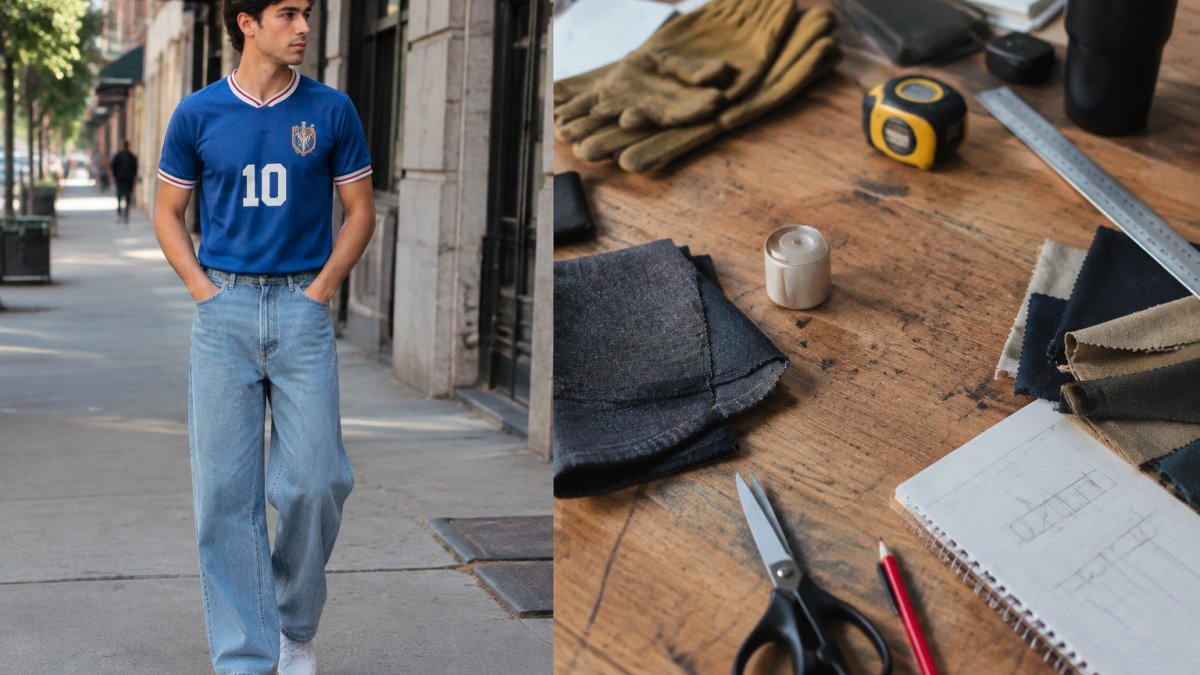
Start with fit. An oversized retro shirt works loose over slim jeans or shorts; a fitted one tucks cleanly into wide-leg trousers. Then build the outfit:
- Pick your base. Straight or wide-leg jeans, chinos, or tailored shorts in a neutral tone.
- Tuck or layer. A full tuck with a belt reads sharper; a half-tuck or open overshirt reads casual.
- Choose footwear. Clean sneakers for daytime, loafers or boots for evenings.
- Add one layer. A plain jacket or overshirt keeps the shirt as the focal point.
- Stop at one statement. Let the shirt carry the outfit; skip competing logos.
For a broader set of game day outfit combinations, our guide on what to wear to a football game covers the full look from headwear down.
Blokecore Outfit Ideas That Work Off the Pitch
Blokecore pairs a football shirt with everyday staples: jeans, sneakers, and a relaxed attitude. The look works because it doesn't try too hard.
Try a retro shirt with straight-leg denim and retro trainers for a pub-ready outfit. Swap the jeans for pleated trousers and the look moves up a notch without losing its casual edge. Layer a plain bomber over the top when the weather turns. The rule across every blokecore outfit is the same: one football piece, everything else neutral.
How to Wash Football Shirts With Printing Without Ruining Them
Printed names, numbers, and sponsor graphics are the most fragile part of any shirt. Heat and friction destroy them faster than age does.
Turn the shirt inside out before washing. Use cold water and a gentle cycle, and skip the dryer entirely; air-dry flat or hang it away from direct heat. Never iron directly over printing, and never use bleach or fabric softener on performance fabrics.
For a full step-by-step method that covers both printed and performance gear, follow our guide on how to wash athletic performance gear.
Watch out: the dryer is the single most common cause of cracked, peeling numbers. If you take one rule from this section, make it air-drying.
Buying Vintage Football Shirts: Authenticity, Condition, and Value
Authenticity checks and condition grading decide whether a shirt is worth buying. A genuine original in fair condition often beats a mint reproduction on both character and resale value. Most buyers get burned not by fakes that look obviously wrong, but by listings that use loose language, "vintage style," "retro era," "original design", without stating a manufacture date.
A Step-by-Step Authenticity Check
Work through these in order before you commit:
- Read the tag, not the listing. Manufacturer labels, wash tags, and inner-collar branding change by era. A shirt claiming a 1990s origin should carry a label style consistent with that decade. Mismatched tags, a modern wash tag inside an older-looking shirt, are the fastest sign of a counterfeit or a reproduction sold as original.
- Check the badge. Crest construction, stitching, and material vary by era and manufacturer. Compare the badge against known examples from the same season, not against a current badge.
- Inspect the stitching. Original shirts from older eras often show visible, slightly irregular stitching. Perfectly uniform stitching on a shirt sold as decades old is a warning sign.
- Examine the sponsor print method. Sponsor graphics were applied differently across eras, some printed, some applied as separate panels. A sponsor that looks freshly heat-pressed on an old shirt suggests a later addition or a reproduction.
- Ask for the manufacture date in writing. If a seller calls something "vintage style" without stating the year, ask directly. A legitimate seller can answer; a misleading listing usually cannot.
Grade Condition Honestly
Condition drives both wearability and resale value. Grade before you buy:
| Grade | What It Means | What to Expect |
|---|---|---|
| Mint | Unworn, tags attached | Highest resale value |
| Excellent | Worn lightly, no flaws | Strong value, ready to wear |
| Good | Minor wear, faint fading | Fair price, everyday wear |
| Fair | Visible wear, small marks | Budget buy, character intact |
| Poor | Stains, damage, repairs | Restoration project only |
Fading is normal on genuine old shirts and is not the same as damage. Cracking on printed names and numbers is a condition issue, not an authenticity issue, but heavy cracking lowers value because the print cannot be restored.
What Drives Value
Value depends on rarity, condition, size, and player association. Rarity, condition, size, and player association all influence what a vintage shirt is worth. Four factors matter most:
- Rarity. Short production runs and unusual sponsor combinations command more than widely produced home shirts.
- Condition. The grade table above is the starting point; mint shirts with tags attached sit at the top.
- Size. Common sizes are easier to sell and often priced higher than unusual sizes, which can sit unsold.
- Player association. A shirt tied to a documented season or player carries more interest than a blank one, provided the connection is verifiable.
Before you commit, read our breakdown of what to know before buying authentic fan gear. And if you plan to wear the shirt rather than store it, check the care guidance above first, print protection starts the day you buy.
Build Your Game Day Look With Burrow Athletic
A vintage shirt is the centerpiece, but the look needs a finish. Headwear completes a retro kit outfit better than almost anything else, and it's where we can help.
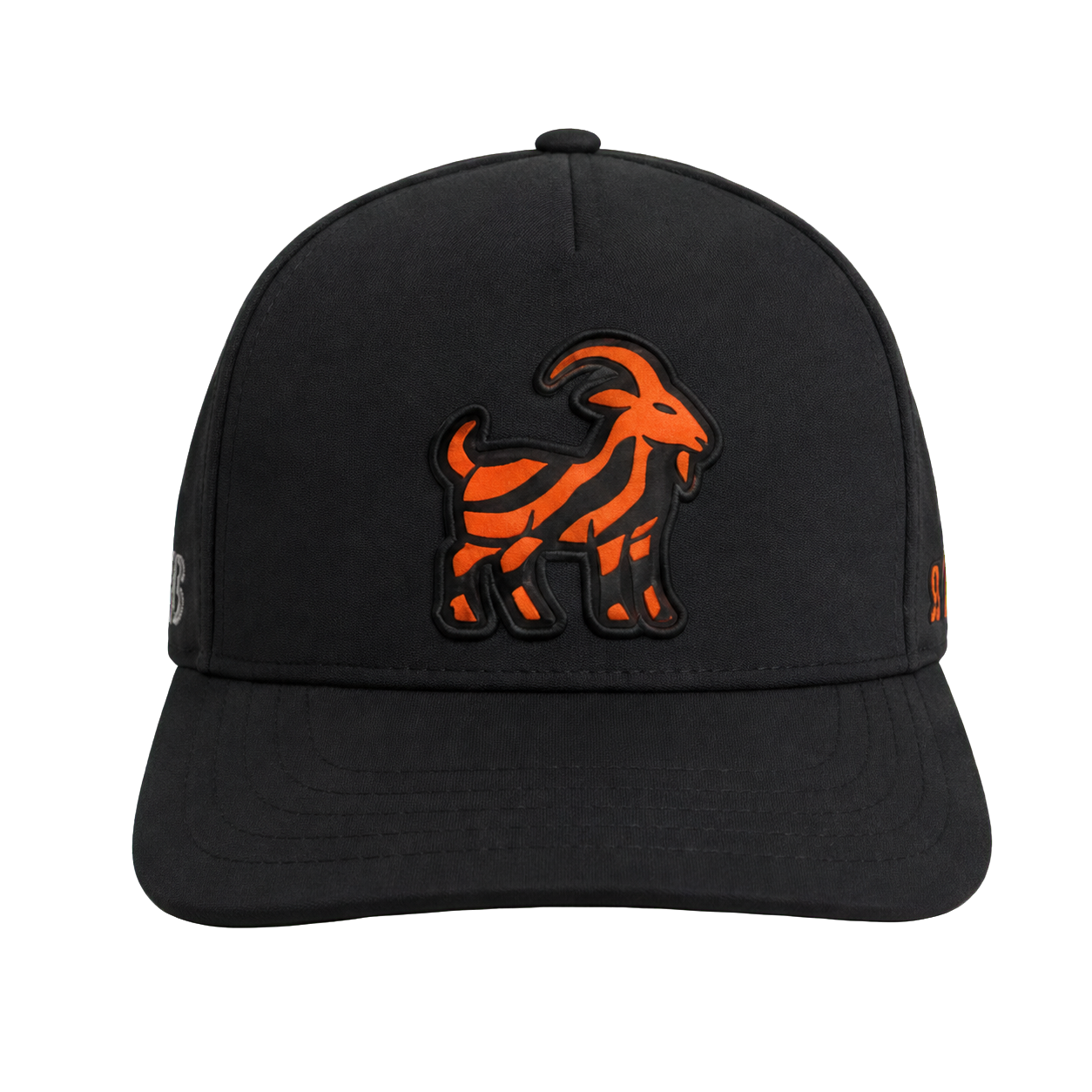
Our GOAT headwear is Cincinnati football fan headwear, and every purchase supports The Be Good Foundation.
If you're building the full look, start with The GOAT Cincinnati football fan hat and pair it with a retro shirt and jeans. Want options? Browse the full collection of Cincinnati football fan hats.
The hardest part of wearing vintage style football shirts isn't finding one; it's knowing which one is genuine, how to style it, and how to keep the printing intact for years. That's where we come in. Burrow Athletic builds performance-driven gear rooted in character and resilience, with a mission that gives back through The Be Good Foundation. Get started with Burrow Athletic and finish your game day look with headwear made to move with you.
Frequently Asked Questions
Are vintage football shirts good for everyday wear?
Yes. Retro football shirts work as everyday casual wear because they pair easily with jeans, chinos, and sneakers. Looser cuts from older kits suit relaxed outfits, while fitted reproductions layer well under jackets. The key is treating the shirt as a statement piece: keep the rest of the outfit simple, choose a size that fits your shoulders, and avoid wearing match-day scarves or full kit unless you are actually at a game. Fabric matters too, since older polyester can feel warmer than modern blends.
How can I tell a real vintage football shirt from a counterfeit?
Check the tag first. Original shirts carry manufacturer labels with the correct era's branding, and counterfeit tags often use modern fonts or misspellings. Inspect the crest stitching, sponsor print quality, and inner neck labels. Ask sellers for close-up photos of seams and wash tags. Reproductions are legitimate when sold as reproductions, so confirm whether a listing says original, reissue, or replica before paying original prices.
How do you wash a football shirt with printing?
Turn the shirt inside out and wash it cold on a gentle cycle. Skip fabric softener and bleach, which break down printed sponsors and numbers. Air dry the shirt flat or on a hanger instead of using a dryer, since heat cracks vinyl prints. If the print is heat-pressed, avoid ironing directly over it; press the fabric around it on low. Wash printed shirts less often and spot-clean when possible to extend the life of the design.
Is it acceptable to wear a vintage shirt from a club you do not support?
In most casual settings, yes. Retro shirts are widely worn as fashion pieces, and many buyers choose classic designs for their colors and patterns rather than team allegiance. Etiquette gets stricter at matches or in supporters' pubs, where wearing another club's colors can read as disrespectful. If you are unsure, wear the shirt for everyday outfits and switch to neutral headwear or your own team's gear on match day.
