

Last Updated: October 23, 2026
Quick Summary
The best compression gear for muscle recovery is graduated compression worn for one to three hours after training, sized by ankle and calf measurement rather than shoe size. Compression helps most with swelling, heaviness and comfort, while effects on soreness and strength are smaller and less consistent. Buy one piece first and confirm the fit feels firm, never painful.
- Graduated pressure is strongest at the ankle and eases as it climbs the leg, supporting venous return.
- Most athletic recovery socks and sleeves sit in the 15-25 mmHg range, though few brands print a number.
- Measure ankle and calf circumference in the morning and match the largest measurement on the size chart.
- Wear compression for one to three hours after training, then take it off before bed.
- Wash compression wear in cool water, skip fabric softener, and air dry to protect the elastic.
Table of Contents
- How Compression Gear Supports Muscle Recovery
- Benefits and Drawbacks of Compression Garments
- Compression Levels, Pressure Ratings and Fit
- Best Compression Socks for Recovery
- Compression Tights for Recovery and Other Garment Types
- How Long to Wear Compression Gear After a Workout
- Safety, Care and Realistic Expectations
- Frequently Asked Questions
How Compression Gear Supports Muscle Recovery
Compression gear is athletic clothing that applies steady pressure to a limb or body area, and it earns its place in recovery because that pressure changes how blood moves back toward the heart.
The short answer: compression helps most with comfort, swelling, and the feeling of legs that aren't heavy. It helps less with the things people most want it to fix.
Graduated Compression and Venous Return
Graduated compression means the pressure is strongest at the ankle and eases as it climbs the leg (Graduated compression stockings). That gradient gives blood a gentle push upward, supporting venous return, the flow of blood back toward the heart. Veins rely on one-way valves and surrounding muscles to move blood against gravity.
Compression socks for recovery work on this principle. They don't squeeze evenly; they squeeze strategically.
What the Research on DOMS and Muscle Fatigue Shows
Delayed-onset muscle soreness, or DOMS, is the ache that shows up a day or two after hard training (pubmed.ncbi.nlm.nih.gov). Compression wear is often marketed as a cure. The honest picture is more modest.
Many athletes report less soreness and reduced fatigue when they wear compression after exercise. The American College of Sports Medicine position stands are a good starting point for understanding what recovery methods have solid backing and which are still being studied.
Treat compression as a comfort and circulation tool, not a recovery shortcut.
Benefits and Drawbacks of Compression Garments
The benefits and drawbacks of compression garments come down to a simple trade: you get support and circulation help, and you give up some comfort and money.
What you gain:
- Less swelling and heaviness in the legs after long sessions
- Gentle support for joints and muscles during activity
- A psychological cue that recovery has started
What you give up:
- Money, since quality compression costs more than basic training clothes
- Patience, because fit matters more than in almost any other garment
- Comfort in heat, where tight fabric traps warmth
The biggest drawback isn't the fabric. To understand what makes activewear high quality, compare construction and materials before you buy. It's buying the wrong size and getting either no pressure or too much.
Compression Levels, Pressure Ratings and Fit
Compression level is the amount of pressure a garment applies, usually described in millimeters of mercury (mmHg). Medical-grade compression is measured this way and typically prescribed in ranges.
That inconsistency is the single biggest problem in this category. Two socks labeled "medium compression" can feel completely different. If you're unsure about sizing, this guide to finding consistent sizing online can help.
What the Pressure Numbers Actually Mean
Medical compression is classified in ranges, and the same ranges are a useful reference even for athletic wear:
| Range | Typical Label | Common Use |
|---|---|---|
| 8-15 mmHg | Mild / over-the-counter | Travel, mild swelling, everyday leg heaviness |
| 15-20 mmHg | Moderate OTC | Post-exercise recovery, prolonged standing |
| 20-30 mmHg | Firm / medical | Prescribed swelling management, clinical recovery |
| 30-40 mmHg | Extra firm / medical | Prescription-only, clinician-directed |
Most athletic recovery socks and sleeves sit in the 15-25 mmHg neighborhood, but few brands print a number. If a product lists no rating, judge it by graduated construction and fit rather than a marketing word like "maximum."
How to Measure for Compression
Sizing is where most returns happen, and it starts with a tape measure, not a shoe size.
- Measure ankle circumference just above the ankle bone.
- Measure calf circumference at the widest point.
- For tights, add thigh circumference at the widest point and waist circumference.
- Measure in the morning, before swelling from the day sets in.
- Match to the brand's size chart on the largest measurement, never size down to "get more benefit."
How Tight Should Compression Clothing Feel?
Compression clothing should feel firm and even, never painful. You should be able to slide a finger under the top band. No pinching, no numbness, no marks that last hours after you take it off.
If a garment rolls down, bunches at the ankle, or leaves deep grooves, it's the wrong size, not a sign you need to toughen up.
Signs a garment is too tight:
- Tingling, numbness, or cold toes or fingers
- Skin discoloration or blanching under the band
- Deep grooves that persist more than an hour after removal
Evidence Quality and Realistic Expectations
Pressure ratings and fit advice only matter if you know what the garment can and cannot do. The strongest evidence for compression is around perceived soreness, swelling, and comfort, not dramatic gains in strength or injury prevention. Treat a pressure rating as a fit guide, not a performance promise.
Best Compression Socks for Recovery
The best compression socks for recovery are graduated socks that fit your calf measurement, stay up without rolling, and feel firm rather than tight. Everything else is preference.
Here's how to judge a pair before you commit:
| What to Check | Why It Matters | Red Flag |
|---|---|---|
| Calf and ankle measurements | Pressure depends on correct sizing | Only shoe size listed |
| Graduated pressure | Supports venous return | Uniform tightness top to bottom |
| Top band construction | Stays up without pinching | Rolls down within an hour |
| Fabric blend with nylon and elastane | Holds shape after washing | Thin, baggy after a few wears |
| Toe and heel seams | Prevents blisters and hot spots | Loose, bulky seams |
A common mistake is judging socks by how they feel standing still in a store. Wear them for twenty minutes of walking before you decide.
For game day and long days on your feet, the same fit principles apply to our GOAT headwear as to socks: the right size does more for comfort than any feature list.
Compression Tights for Recovery and Other Garment Types
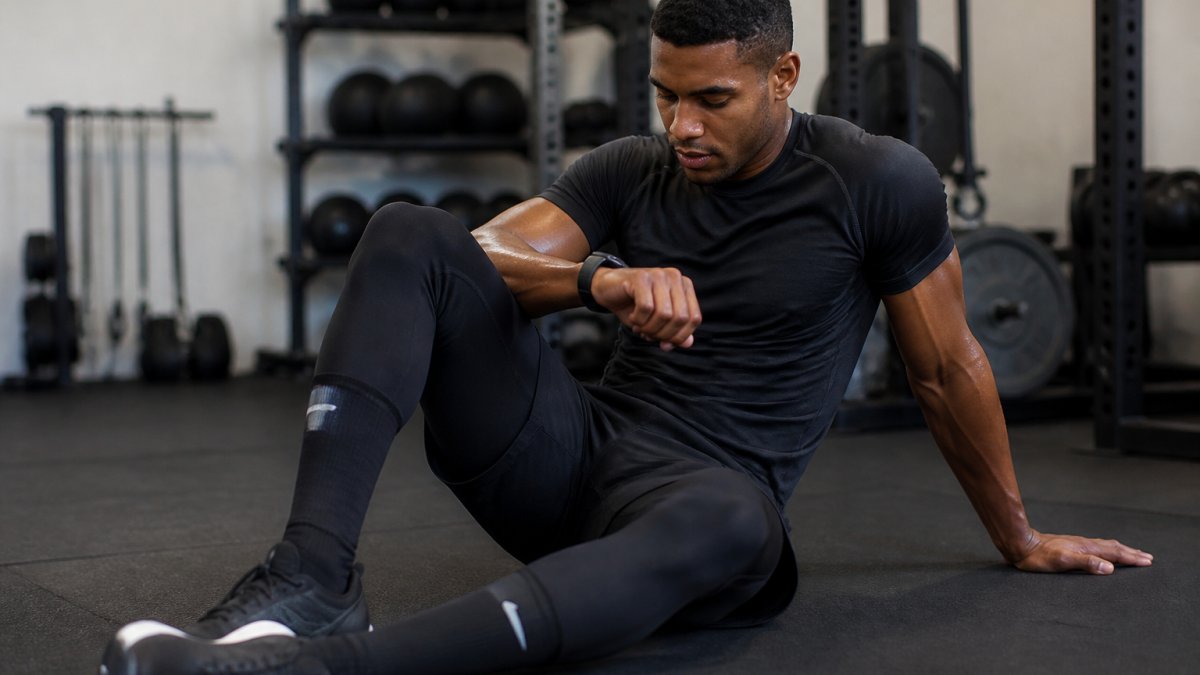
Compression tights for recovery cover more surface area than socks, which makes them popular after leg day and long runs. They're also the garment where fit problems are most obvious, because a poor fit shows up at the waist and knees first.
Here's how the main garment types compare by goal:
| Garment | Best For | Coverage | Watch Out For |
|---|---|---|---|
| Socks | Long days standing, travel, calf heaviness | Lower leg and foot | Rolling at the top band |
| Sleeves | Isolated arm or knee support | Single joint area | Slipping during movement |
| Tights and leggings | Post-leg-day recovery, full-leg support | Waist to ankle | Waistband digging in |
| Shorts | Thigh support, warmer climates | Upper leg | Riding up |
| Shirts | Upper body support, posture awareness | Torso and arms | Restricting shoulder movement |
Sleeves, Shorts and Shirts: Matching the Garment to the Goal
Match the garment to the area that actually gets sore. For a broader look at the best clothes for intense workouts, see how compression pieces fit into a full kit. Runners tend to get the most from socks and tights. Lifters often prefer sleeves for knees and elbows.
Buy one piece first, wear it through three real sessions, then decide. Compression feel is personal, and a full matching set bought blind is the fastest route to a drawer full of unworn gear.
How Long to Wear Compression Gear After a Workout
How long to wear compression gear after a workout depends on your goal, but a practical range is one to three hours after training for recovery, or during the session itself for support. Overnight wear is a different question and worth a conversation with a clinician if you have any circulation concerns.
A Practical Wear Schedule
| Situation | When to Put It On | How Long | Notes |
|---|---|---|---|
| Hard training session | Within an hour of finishing, after cooling down | 1-3 hours | Pair with food, fluids, and easy movement |
| Long run or leg day | Immediately after showering | 2-4 hours | Tights or socks; remove before bed |
| Travel or long sitting | Before boarding or starting the drive | Duration of travel | Stand and walk every 1-2 hours |
| Rest day | Morning or after light activity | 1-2 hours | Optional; comfort-driven |
| During exercise | Before the session | Duration of session | Support and fatigue management, not recovery |
A simple protocol we'd suggest:
- Put the garment on within an hour of finishing, after you've cooled down and showered.
- Wear it for one to three hours while you eat, stretch, and rest.
- Take it off before bed unless a clinician has told you otherwise.
- Check your skin for marks, tingling, or numbness each time.
Wearing compression during exercise is fine for many people, especially for support and reduced fatigue. If you're working through an injury, here's how to stay motivated during injury recovery. Wearing it after is where most of the recovery benefit sits.
Overnight and Travel Wear
Overnight compression is common in medical settings but is not a casual choice for athletic wear. If you want to sleep in compression, confirm with a clinician first, especially if you have any circulation, nerve, or skin condition. For travel, socks in the 15-20 mmHg range are the usual pick, and the key habit is movement: stand, walk, and flex your ankles every hour or two rather than relying on the sock alone.
When to Stop Wearing It
Take the garment off and reassess if you notice:
- Numbness, tingling, or a pins-and-needles feeling
- Skin that looks pale, blue, or blotchy under the fabric
- Pain that increases the longer you wear it
Safety, Care and Realistic Expectations
Compression gear is low risk for most healthy people, but it isn't for everyone. Talk to a clinician before wearing compression if you have peripheral artery disease, significant circulation problems, nerve damage, or a history of blood clots.
Care matters more than most people expect. Elastic breaks down with heat and harsh detergent, and a stretched-out garment applies uneven pressure. For step-by-step guidance, see how to wash athletic performance gear.
Set realistic expectations. Compression is one input among several. Sleep, nutrition, and easy movement do more for recovery than any single garment.
Where the brand fits in: Burrow Athletic makes performance-driven gear for individuals who embody character, resilience, and purpose, offering athletic-inspired apparel designed to support both physical and mental strength. Every purchase supports The Be Good Foundation, and we think recovery is part of showing up well, on and off the field.
Frequently Asked Questions
Is compression good for muscle recovery?
Compression gear can help with post-exercise recovery, mainly by supporting circulation and venous return, which may reduce swelling and the feeling of heavy legs. Research on delayed-onset muscle soreness (DOMS) is mixed: some studies show less soreness and reduced fatigue, others show little difference in muscle strength or performance. Treat compression as one useful tool alongside sleep, hydration and protein intake, not a standalone fix. Fit matters more than brand, so choose graduated compression that feels firm but never restricts movement.
Should I get 15-20 or 20-30 mmHg compression socks?
For everyday workout recovery, 15-20 mmHg is the common starting point for most athletes: firm enough to support venous return without feeling medical-grade. The 20-30 mmHg range is tighter and often used for travel, long periods of standing or clinical guidance, and it can be uncomfortable during exercise. If you have circulation problems, diabetes or a vascular condition, talk to a clinician before choosing a pressure rating. Whichever you pick, measure your calf and follow the brand's sizing chart rather than guessing.
Should I wear compression gear after a workout?
Yes, wearing compression after exercise is the most common use case. Put on socks, tights or sleeves within an hour of finishing and keep them on for a few hours while you recover, then remove them before bed unless a clinician advises otherwise. Wearing compression during exercise is fine too, especially for long runs or heavy lifting, but the recovery benefit comes mostly from the hours after. Wash garments after each use to preserve elasticity.
How long should you wear compression clothing after exercise?
A practical window is two to four hours after a workout, or until you shower and change. Some athletes wear compression overnight for intense training blocks, but that is a personal choice and not necessary for most people. Remove the garment if you feel numbness, tingling or deep discomfort. For DOMS that peaks a day or two later, wearing compression socks or tights during light activity can help you stay mobile without overdoing it.
Recovery is a habit, not a purchase. The gear that works is the gear that fits, gets worn consistently, and holds up wash after wash. If you want headwear that carries the same mindset into your training days, explore the GOAT line at Burrow Athletic and wear something built to move with you.
