

Last Updated: October 25, 2026
Quick Summary
Winter layering for performance gear means wearing three thin layers instead of one thick jacket: a base layer that wicks sweat away from your skin, a midlayer that traps warmth while letting vapor escape, and a shell that blocks wind and precipitation while venting sweat. Get all three right and your body handles the cold for you.
- Cotton soaks up sweat and holds it, so treat it as a warm-weather fabric only.
- Pick the lightest midlayer that keeps you warm when you slow down.
- Start with the shell unzipped or in a pocket and strip a layer before you sweat heavily.
- For steady rain, choose a waterproof shell with vents; for cold, dry, windy days, a water-resistant soft shell vents better.
- If you will stop moving for more than a few minutes, carry insulation you can add.
Table of Contents
- The Three-Layer System: Base, Midlayer, and Shell
- Choosing a Base Layer for Winter Workouts
- Midlayers: Insulation That Breathes
- Winter Running Layers: Matching Warmth to Exertion
- Layering for Wet and Cold Weather
- Winter Hiking Pants: Bottoms That Move
- A Decision Guide by Temperature, Wind, and Precipitation
- Common Layering Mistakes and How to Fix Them
- Frequently Asked Questions
The Three-Layer System: Base, Midlayer, and Shell
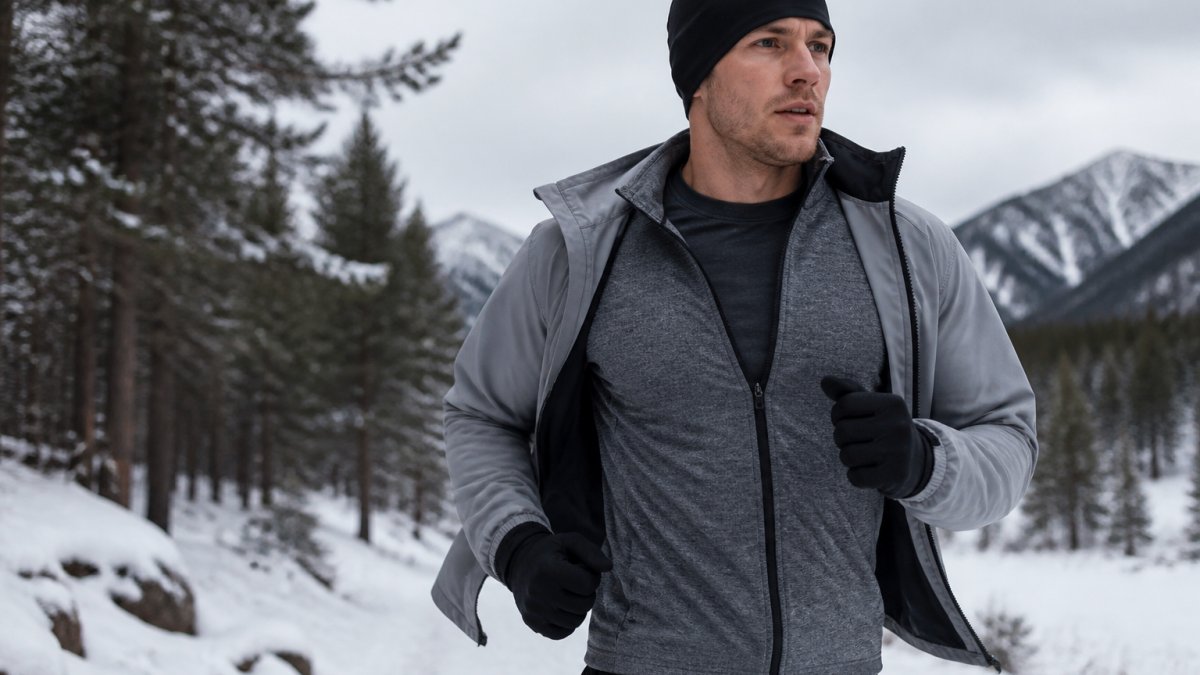
Learning winter layering for performance gear comes down to one idea: three thin layers beat one thick jacket. This guide from Burrow Athletic breaks down that system, layer by layer, so you can train outside without overheating or freezing. The base layer moves sweat away from your skin. The midlayer traps warmth.
What Each Layer Does
Each layer has one job, and mixing up those jobs is where most people go wrong:
- Base layer: wicks moisture and keeps damp fabric off your skin
- Midlayer: holds heat close to your body and lets vapor escape
- Shell: stops wind and precipitation while venting sweat
Skip a layer and the system breaks. Wear a shell with no base layer and sweat pools against your skin.
Why Cotton Fails in Cold Weather
Cotton soaks up sweat and holds it. Once a cotton shirt is wet, it stops insulating and starts chilling you. Synthetic fabric and merino wool dry fast and keep working when damp. That is why the U.S. Army guidance on cold-weather clothing layers tells soldiers to avoid cotton next to the skin. Treat cotton as a warm-weather fabric only.
Choosing a Base Layer for Winter Workouts
The best base layer for winter workouts fits close, moves with you, and dries fast. Look for a snug cut with flat seams and no loose folds. A baggy base layer traps sweat in pockets and rubs under pack straps. Thickness should match the cold: thin for hard efforts, midweight for easy days and rest stops. How to wash athletic performance gear so it keeps wicking and drying fast.
Synthetic vs. Merino Wool
Polyester blends dry fastest and cost less. Merino wool breathes well, resists odor over repeated wear, and feels softer against skin. Many athletes pick synthetic for high-sweat sessions and merino for long, slower days. Either works. The non-cotton rule matters more than the fiber choice.
Fit and Compression
Compression base layers can support muscles and cut fabric movement. They should feel snug, never restrictive. If a sleeve digs into your arm or a waistband rolls, size up. See which compression gear supports muscle recovery before you commit to a fit.
Midlayers: Insulation That Breathes
A good midlayer traps warm air without trapping sweat. Fleece, grid fleece, and thin synthetic fill all do this at different weights. The key is breathability: a midlayer that cannot vent moisture turns into a wet blanket once you start working hard. Pick the lightest midlayer that keeps you warm when you slow down.
Fleece, Grid Fleece, and Synthetic Fill
- Standard fleece: warm and cheap, but bulky and slow to vent
- Grid fleece: channels between fleece panels push vapor out fast
- Synthetic fill: warmest per ounce, best for rest stops and deep cold
Grid fleece is the most flexible pick for active winter training. Learn what makes activewear high quality so you can tell durable fabrics from cheap ones.
Winter Running Layers: Matching Warmth to Exertion
Winter running layers should leave you slightly cool at the start. You heat up fast once you move, and a jacket that feels cozy on the porch turns into a sauna a mile in. Dress for the temperature plus your effort, not the temperature alone. Hard intervals need less insulation than an easy recovery jog.
Match Layers to the Phase of Your Workout
Most winter layering advice treats a workout as one steady state. It isn't. Your body produces heat at very different rates during warm-up, sustained effort, rest stops, and recovery, and the right layer count changes at each phase. A common pattern among experienced cold-weather runners is to plan the kit around the phase that is hardest to manage, not the average.
- Warm-up: You are producing little heat and standing around. Wear the midlayer and shell, and keep gloves on. Strip only once you feel the first flush of warmth.
- Sustained effort: This is where you generate the most heat. Unzip the shell, push sleeves up, and open pit zips before you are sweating heavily. If you wait until you are soaked, you have already lost the moisture-management battle.
- Rest stops and regroup points: Heat production drops fast. Pull the midlayer back on and zip the shell within a minute or two of stopping. A packable synthetic-fill layer or a lightweight vest earns its place here.
A Practical Exertion Guide
Use your perceived effort to set insulation before you leave:
| Effort Level | Example Session | Base Layer | Midlayer | Shell |
|---|---|---|---|---|
| Easy / recovery | Conversational pace | Midweight synthetic or merino | Light grid fleece | Packable windproof |
| Steady / tempo | Comfortably hard | Thin synthetic | Light fleece, often removed | Packable shell in pocket |
| Hard / intervals | Short, repeated efforts | Thin synthetic | Usually none during work | Shell only for warm-up and rest |
| Long with stops | Trail run with regroup points | Midweight merino | Grid fleece plus packable fill | Vented shell |
Two rules keep this simple. First, if you will stop moving for more than a few minutes, carry insulation you can add. Second, if the session is short and hard, err on the side of less. You can always run faster to warm up, but you cannot wring sweat out of a soaked midlayer mid-run.
Start Cold, Adjust as You Go
Follow this routine on every cold run:
- Check temperature, wind, and precipitation before you dress
- Pick layers for how warm you will be ten minutes in, not at the door
- Start with the shell unzipped or in a pocket
- Add the shell when you turn into the wind or slow to a walk
- Strip a layer before you start sweating heavily
A common mistake is wearing the same kit for easy runs and hard workouts. A hard session generates far more heat. Plan for it.
Layering for Wet and Cold Weather
Layering for wet and cold weather adds one rule: keep the shell breathable. A fully waterproof jacket with no venting traps sweat, and you end up soaked from the inside. That is worse than rain. Look for pit zips, back vents, or a breathable membrane, and wear a wicking base layer underneath so any moisture that does build up moves away from skin.
Waterproof vs. Water-Resistant Shells
Waterproof shells block rain completely but breathe less. Water-resistant shells shed light rain and snow and vent much better. For steady rain, pick waterproof with vents. Windproof matters as much as waterproof: wind strips heat faster than still air ever will, which is why National Weather Service wind chill guidance treats wind as a core part of how cold it feels.
Winter Hiking Pants: Bottoms That Move
Winter hiking pants should block wind, shed snow, and stretch at the knees and hips. Soft-shell pants with a brushed lining handle most cold hikes. For wet snow, add a waterproof over-layer you can pull on at the trailhead.
Fit matters as much as fabric. Pants that bind at the hip limit your stride on steep ground. This guide to consistent sizing online helps you order the right fit the first time.
A Decision Guide by Temperature, Wind, and Precipitation
Use this table to pick your layers before you head out. Adjust for your own running hot or cold.
| Conditions | Base Layer | Midlayer | Shell | Bottoms |
|---|---|---|---|---|
| Mild cold, dry, calm | Thin synthetic | Light grid fleece | None or vest | Leggings or light soft shell |
| Cold, windy, dry | Midweight synthetic | Grid fleece | Windproof shell | Soft-shell pants |
| Cold and wet snow | Merino or synthetic | Grid fleece | Waterproof, vented shell | Soft shell plus waterproof over-layer |
| Deep cold, low effort | Midweight merino | Synthetic fill | Windproof shell | Insulated soft shell |
| Hard intervals, any cold | Thin synthetic | Light fleece, often removed | Packable shell | Leggings |
Two more factors change the call. Exertion level decides how much insulation you need, and rest stops decide how much you carry. Bring a packable layer for lunch breaks even on mild days.
Common Layering Mistakes and How to Fix Them
The same mistakes show up again and again. What separates a fix from a guess is matching the symptom you feel on the trail to the layer that is failing. Use this troubleshooting guide to diagnose and correct each problem. For the gear side of the fix, see athletic gear choices that prevent injuries.
Symptom-to-Fix Troubleshooting
- Damp base layer against your skin: Your base layer is either not wicking or you are producing more sweat than it can move. Fix: switch to a thin synthetic for high-effort days, open your shell vents earlier, and slow the pace until you stop overheating. Cotton next to skin is the most common cause; swap it for synthetic or merino.
- Clammy, heavy midlayer: The midlayer is trapping vapor instead of venting it. Fix: move to a grid fleece with open channels, unzip the shell, and remove the midlayer during sustained effort rather than after you are wet.
- Restricted movement at the shoulders or hips: Layers are too bulky or sized too close. Fix: size up the shell, choose a stretch soft shell for bottoms, and avoid stacking two bulky midlayers when one grid fleece will do.
When Worn Layers Stop Performing
Performance fabrics degrade quietly. A shell that used to bead water starts wetting out when its durable water repellent finish wears off, and a base layer that once dried fast can hold odor and moisture after repeated washes with softener or dryer sheets. If a layer no longer sheds water or dries slowly, restore the water repellency with a wash-in or spray-on treatment made for technical fabrics, and wash performance layers without fabric softener.
For headwear on cold training days, our Cincinnati hats collection has you covered.
Frequently Asked Questions
What layers should I wear for winter running?
Start with a moisture-wicking base layer in polyester or merino wool to move sweat away from your skin. Add a breathable fleece or grid midlayer for insulation, then a windproof or water-resistant shell if conditions demand it. For winter running layers, dress as if it is 15 to 20 degrees warmer than the actual temperature, because your body heats up within the first mile. Keep a light hat and gloves handy so you can adjust as exertion rises.
Why am I still cold even when I wear layers?
Cold usually means moisture is trapped against your skin or your layers are too tight. Cotton holds sweat and kills insulation, so switch to synthetic or merino base layers. Check that each layer fits loosely enough to trap warm air without compressing the insulation. If you are layering for wet and cold weather, a soaked midlayer loses most of its warmth, so add a waterproof shell and remove a layer before you start sweating heavily.
What fabrics work best for a base layer for winter workouts?
Polyester and merino wool are the two best choices for a base layer for winter workouts. Polyester dries fast, costs less, and handles heavy sweat well. Merino wool regulates temperature across a wider range, resists odor, and stays warm when damp, which helps in wet and cold weather. Avoid cotton entirely because it absorbs moisture and holds it against your skin, accelerating heat loss once you slow down.
What pants should I wear for winter hiking?
Winter hiking pants should be synthetic or softshell, wind-resistant, and either water-resistant or waterproof depending on precipitation. Look for articulated knees and a cut that fits over a thin base layer without binding. Avoid insulated snow pants for active hiking unless temperatures are well below freezing, because they trap heat and sweat on climbs. A lighter softshell with a base layer underneath lets you vent excess warmth on steep sections and add a shell if rain or snow moves in.
Cold weather rewards preparation, and the right layers make winter training something you look forward to instead of dread. At Burrow Athletic, we build performance-driven gear for people who show up with character and resilience, and every purchase supports The Be Good Foundation. Our designs are made to move with you, whether you are logging winter miles or heading to a game-day tailgate. Get started with Burrow Athletic and gear up for the cold with purpose.
